Call us: (904) 533-7109 Mon–Sat 8:00 AM – 6:00 PM
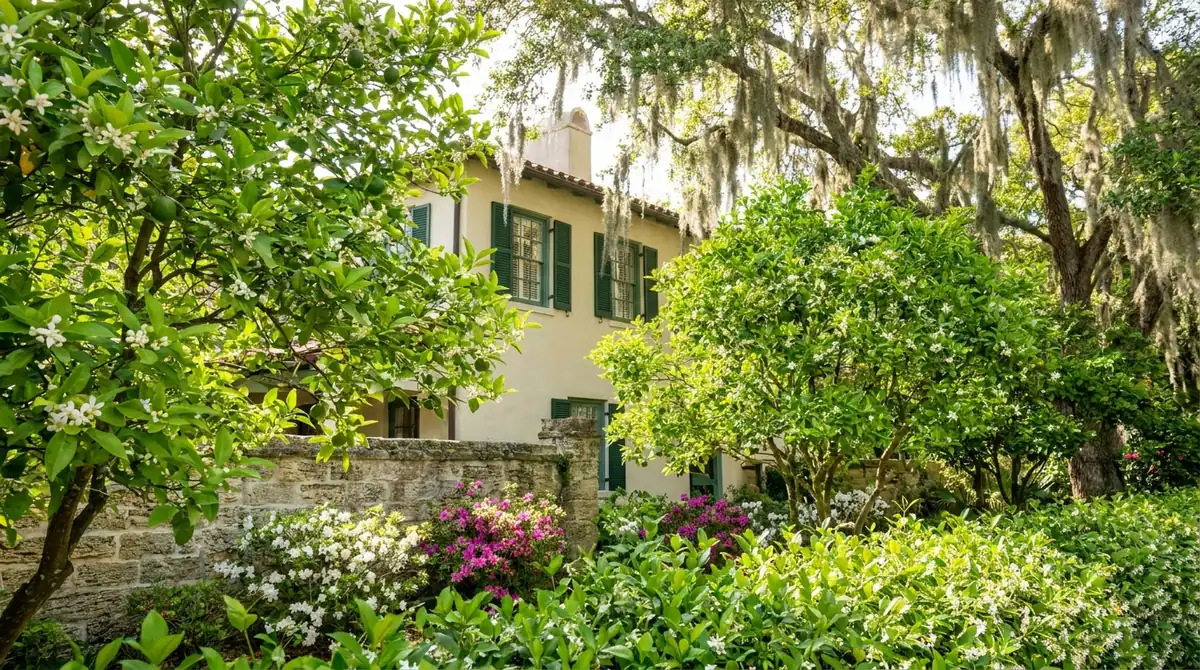
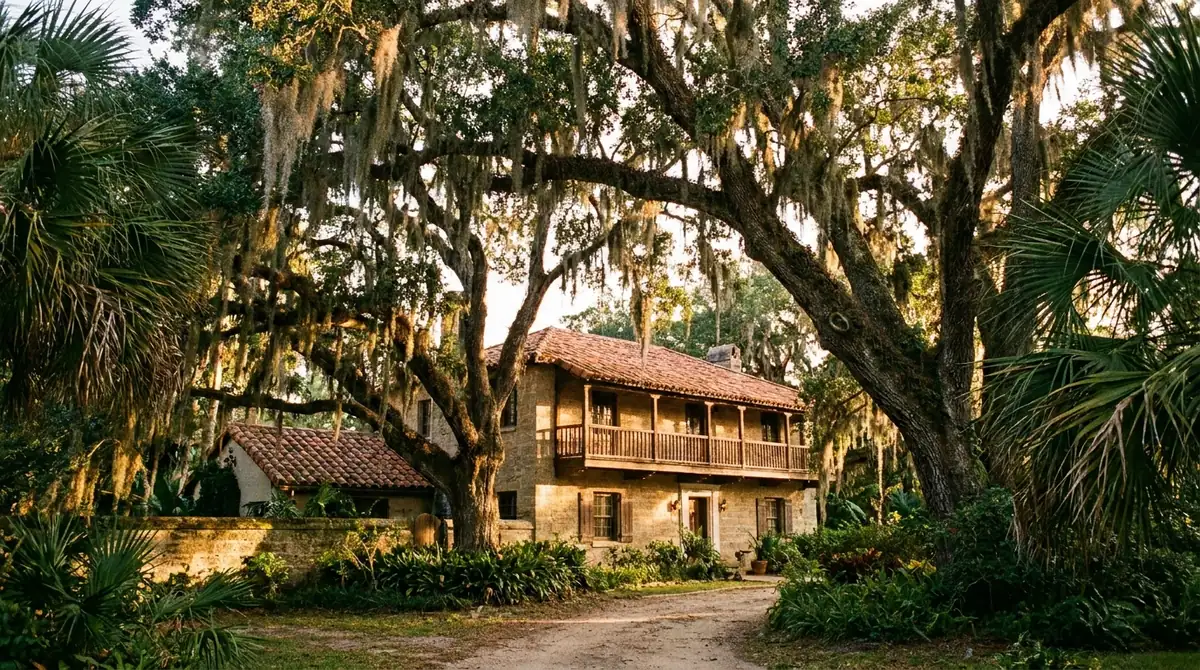
Rodent control in St. Augustine, FL: historic home with tile roof shaded by live oaks and palms
Rodent-Only Local Team

Historic Rodent Control in Historic Downtown, FL

Historic Downtown is the oldest city core in the continental United States, and its coquina walls, tile roofs and great live oaks suit roof rats perfectly. Call us and we will arrange a fast inspection of your home or shop.

Why Historic Downtown has rodents

Rodent Control in Historic Downtown

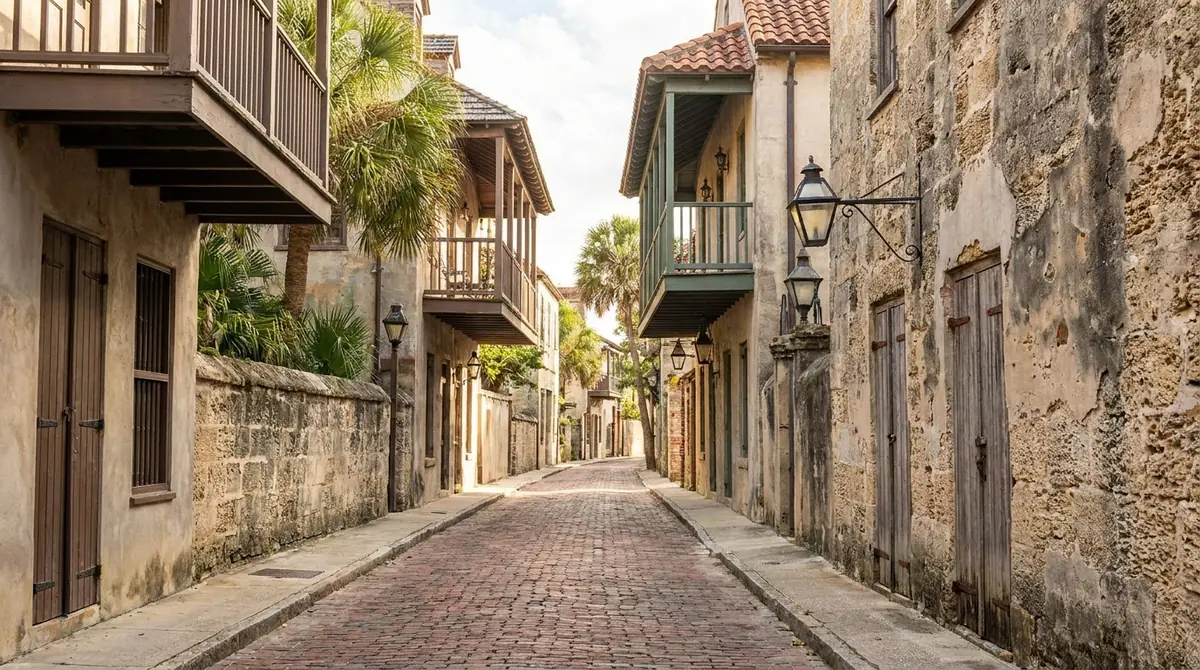
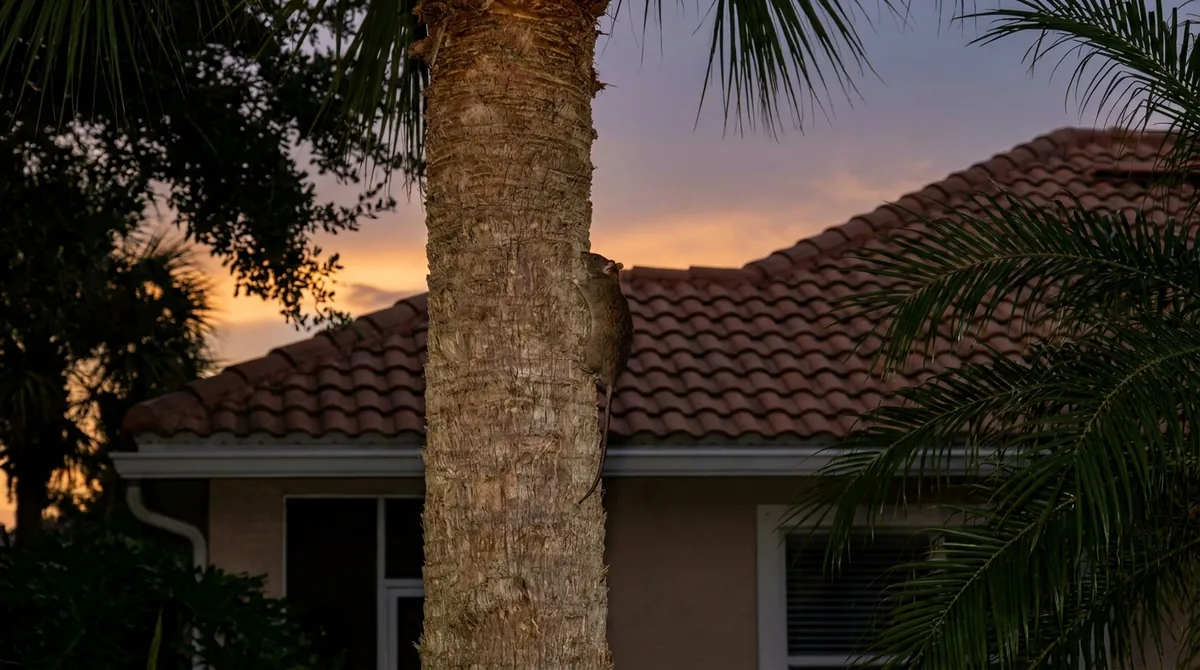
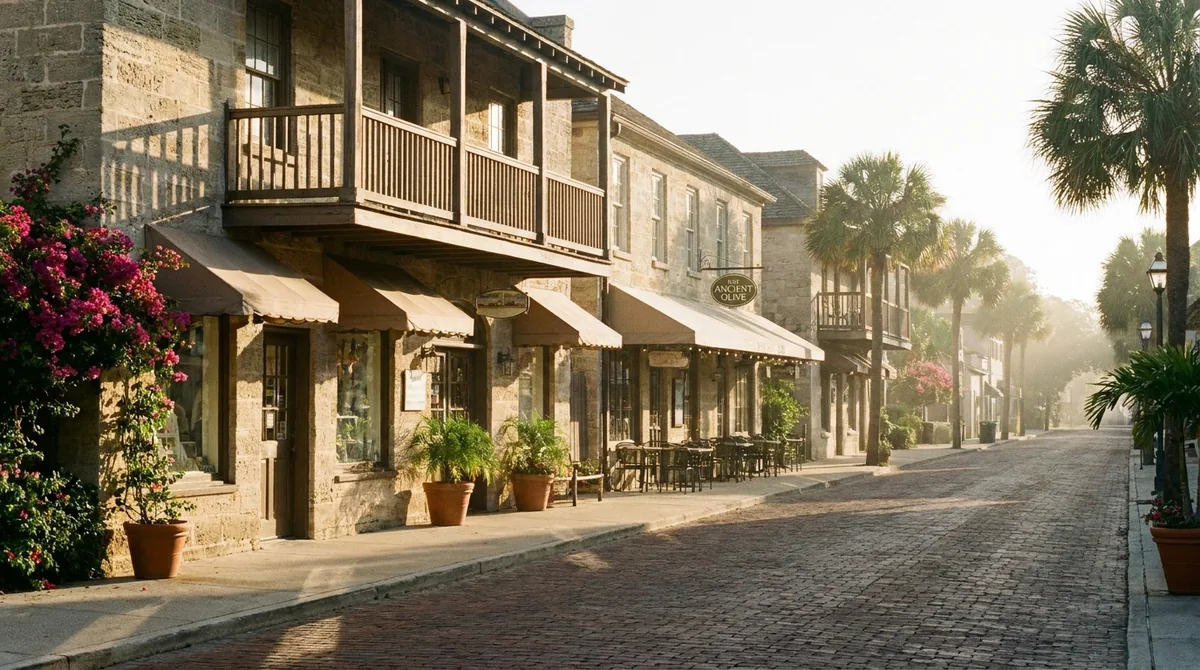
Historic Downtown was founded in 1565, and it is the oldest continuously occupied European-established city in the continental United States. The Castillo de San Marcos, Flagler College, St. George Street and the Plaza de la Constitución stand within a short walk of each other, and the homes around them are coquina, Spanish-colonial and Victorian buildings, many of them shaded by large live oaks near the Bayfront. Roof rats are common here, and the mix of old construction, tile roofs and oak canopy gives them food, cover and a route onto almost every roof.

Exclusion work on a historic facade must respect HARB rules, because the board restricts exterior changes in the district. We plan sealing around that, using steel mesh and metal that sit discreetly at the roofline, vents and pipe entries, and we trap the animals inside first so no rat is sealed into the attic. See Rat Control in Historic Downtown and Rodent Inspection and Exclusion in Historic Downtown for how a visit runs.

Historic Downtown in St. Augustine, FL
Common problems

Common Rodent Problems in Historic Downtown

Roof Rats in Attics Above Old Homes

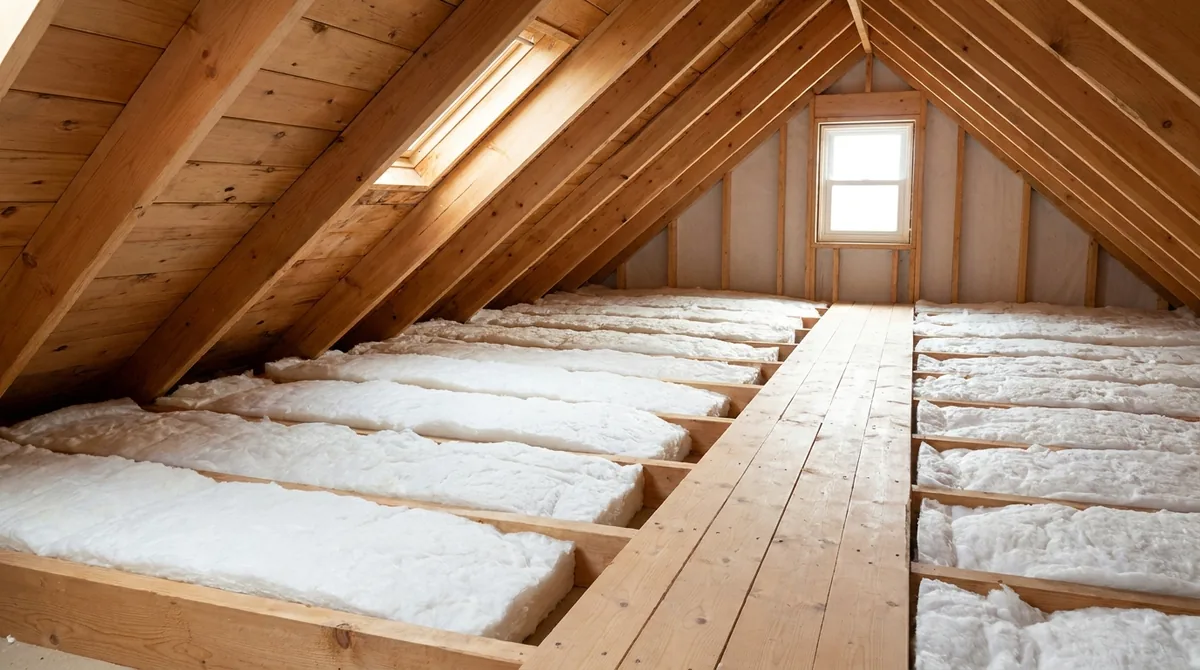
Roof rats nest in attics above coquina and frame homes, and they chew wiring, rafters and insulation while they are there. Scratching overhead at night above a bedroom is usually the first sign, and it often starts after a branch or a utility line gives them a route onto the roof.

Oak Branches Over the Roofline

Large live oaks near the Bayfront throw branches across tile roofs, and roof rats treat a touching branch as a highway straight into the attic. Keeping branches back from the roof is one of the most useful steps a homeowner can take, and we point out every branch that touches during an inspection.

Gaps in Coquina and Old Wood

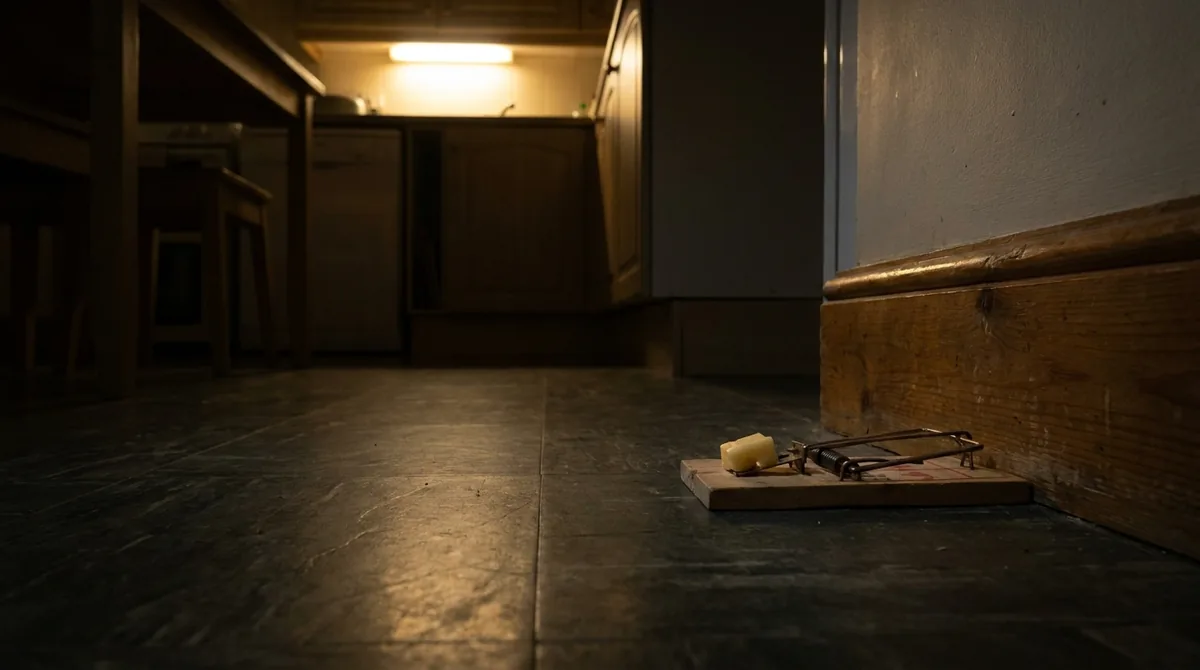
Old homes have more entry points than new ones: gaps around windows and doors, foundation cracks, and joints in old wood that have opened over the years. A rat squeezes through a gap the size of a quarter, and a mouse through a gap the size of a dime, so even a small opening matters.

Rats and Mice in Shops and Restaurants

St. George Street shops and restaurants store food, boxes and packaging, and a back door left open or a gap under a stockroom door is enough for a rat or a mouse. We work around opening hours, seal the stockroom and kitchen gaps, and set traps on the routes the animals actually use.

Signs to watch for

Signs You Need Rodent Control in Historic Downtown

Six signs that rats or mice are already inside your home. One sign is a warning, and two or more usually mean a nest.

  • Scratching or scurrying in the attic at night, above a bedroom or a hallway
  • Spindle-shaped droppings with pointed ends in the attic, about half an inch long
  • A hollowed-out orange or citrus fruit still hanging on the tree, with a round hole in it
  • Greasy rub marks along roof beams, rafters and the edges of attic vents
  • Gnaw marks on wiring, insulation, stored boxes and wooden beams
  • An oak or palm branch touching the roof, the gutters or the side of the house
Where they get in

Historic Downtown-Specific Entry Points We Seal

These are the gaps we find most often in Historic Downtown. Every gap a quarter inch and wider gets sealed with steel mesh, sheet metal, mortar or copper mesh, never foam or plastic mesh that rats chew through, and the sealing is planned to respect HARB rules on a historic facade.

  • Gaps under barrel tile where the tile meets the fascia at the roofline
  • Soffit and fascia seams that have opened on old wood
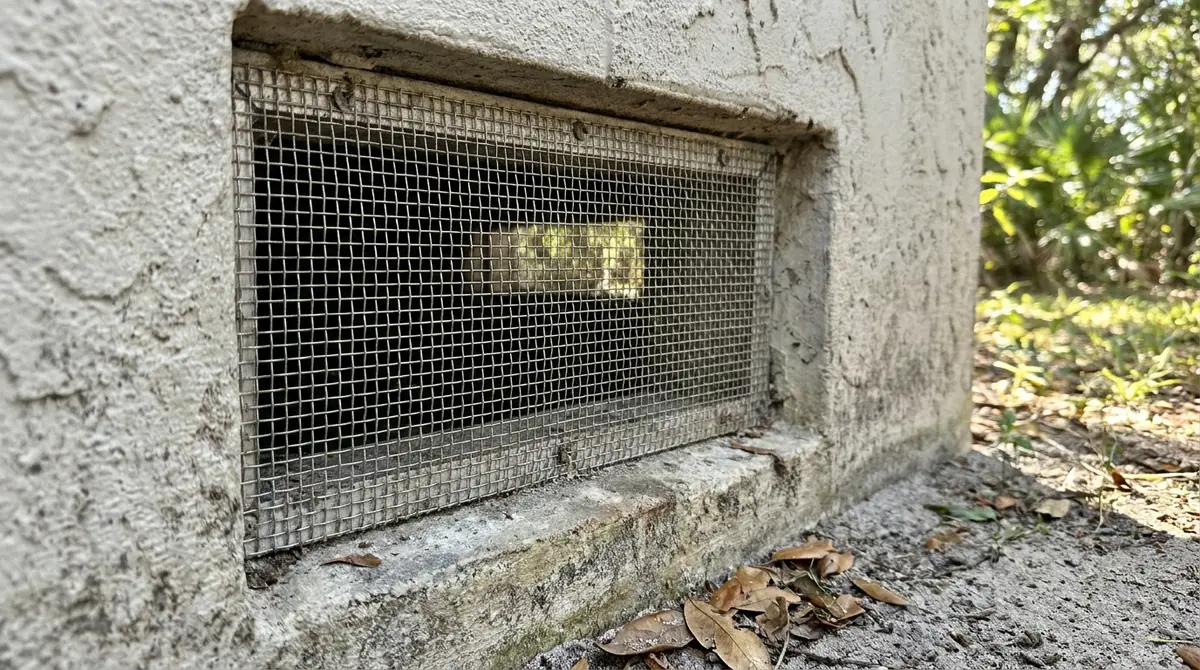
  • Attic and gable vents with torn or missing screens
  • Gaps around pipes, wires and air conditioning lines into the attic
  • Gaps around old windows and doors, and worn door sweeps
  • Foundation cracks and foundation vents on coquina and frame homes
Services in this area

Rodent Control Services in Historic Downtown

These are the services Historic Downtown homes need most. Every service starts with an inspection and ends with sealing, so the animals leave and stay out.

Rat Control in St. Augustine, FL

Rat Control

Roof rats and Norway rats trapped and sealed out. We find where they enter, tile roofs, palm fronds and gaps at the eaves, remove the animals, then seal every opening with steel mesh so they cannot come back.

View Details
Inspection & Exclusion in St. Augustine, FL

Inspection & Exclusion

Every gap found, then sealed with steel mesh. Our technician walks the whole house, roofline, vents, foundation and pipes, photographs each opening, and seals it so rats and mice stay outside for good.

View Details
Trapping & Removal in St. Augustine, FL

Trapping & Removal

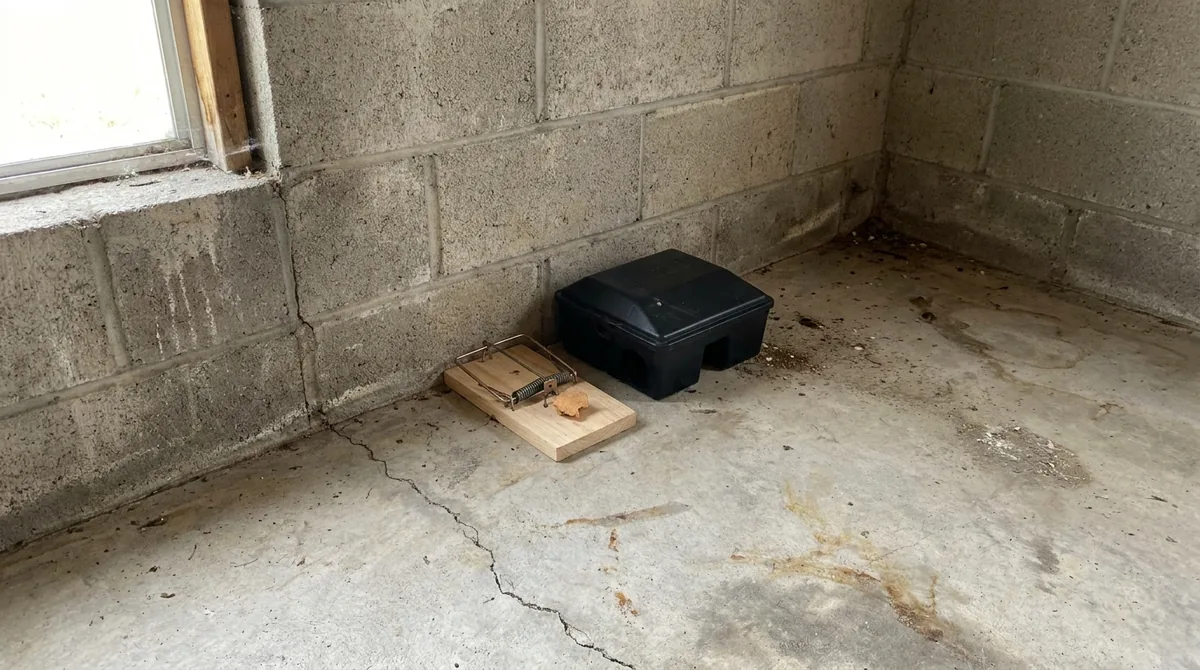
Snap and live traps, plus bait stations outside. We place traps where the animals actually travel, check them on a set schedule, and remove every animal safely and discreetly.

View Details
Attic & Crawl Space Cleanup in St. Augustine, FL

Attic & Crawl Space Cleanup

Droppings removed, space sanitised and deodorised. We clear contaminated insulation and droppings, disinfect the area, and fit fresh insulation where it is needed.

View Details
Commercial Rodent Control in St. Augustine, FL

Commercial Rodent Control

Offices, restaurants and shops, around your schedule. We work outside your opening hours, keep the visit discreet, and give you a written report your health inspector will accept.

View Details
Emergency Removal in St. Augustine, FL

Emergency Removal

A rat or mouse in your living space right now. Call us and we will arrange a fast inspection. We trap the animal, check for more, and seal the entry point so it does not happen again.

View Details

View All Rodent Control Services in St. Augustine

Around Historic Downtown

Landmarks Near Historic Downtown

Castillo de San Marcos

The stone fort on the Bayfront, built of coquina, anchors the north end of the historic core. Its grounds and the live oaks around the Bayfront give roof rats cover close to downtown homes.

Flagler College

The former hotel at the heart of downtown, with its towers and courtyards, sits among the oldest streets in the city. Homes and shops around it share the same old construction and the same roof-rat pressure.

St. George Street

The pedestrian street of shops, restaurants and galleries runs through the historic district. Food storage and back doors along the street are common entry points, so shops here need the same sealing as the homes behind them.

Through the year

How Seasons Affect Rodents in Historic Downtown

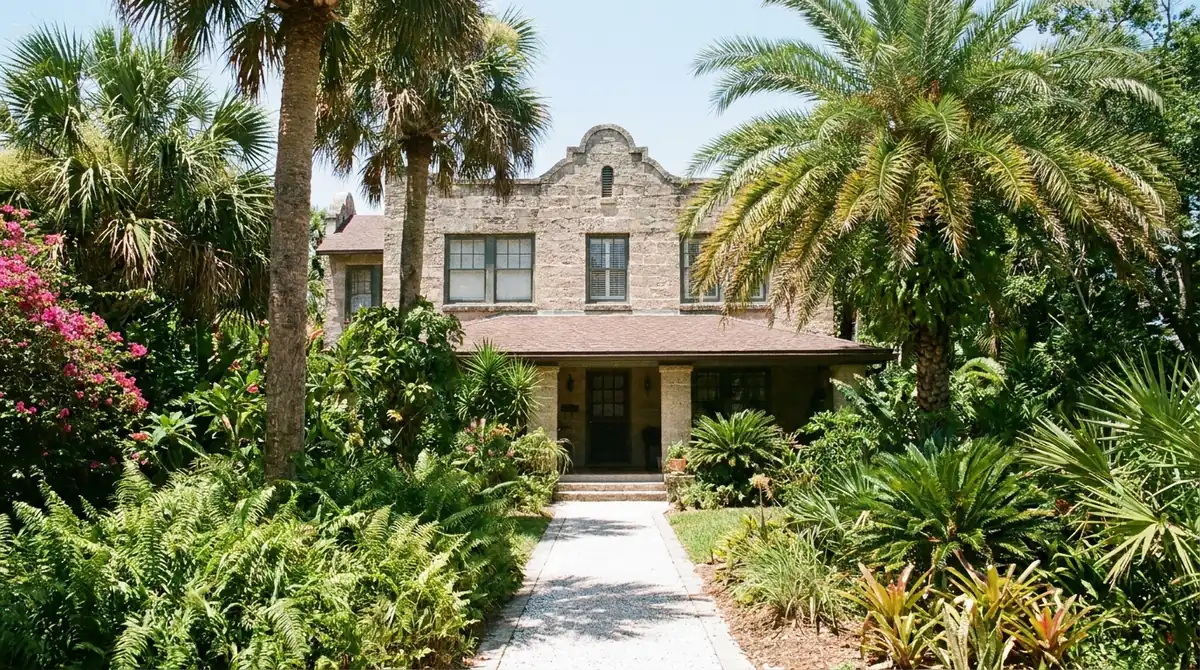
St. Augustine home in spring with live oaks and palms

Spring

Breeding picks up in spring, and rats that spent the cooler months in attics start moving and looking for nesting material. Citrus and fruit trees in downtown yards draw them in, and a spring inspection catches new gaps before the young are born.

St. Augustine home in summer with live oaks and palms

Summer

Warm weather and heavy rain keep roof rats active in the oak and palm canopy all summer. Rain floods ground burrows and pushes rats higher, into attics, garages and wall voids, so summer is a good time to check vents and rooflines after storms.

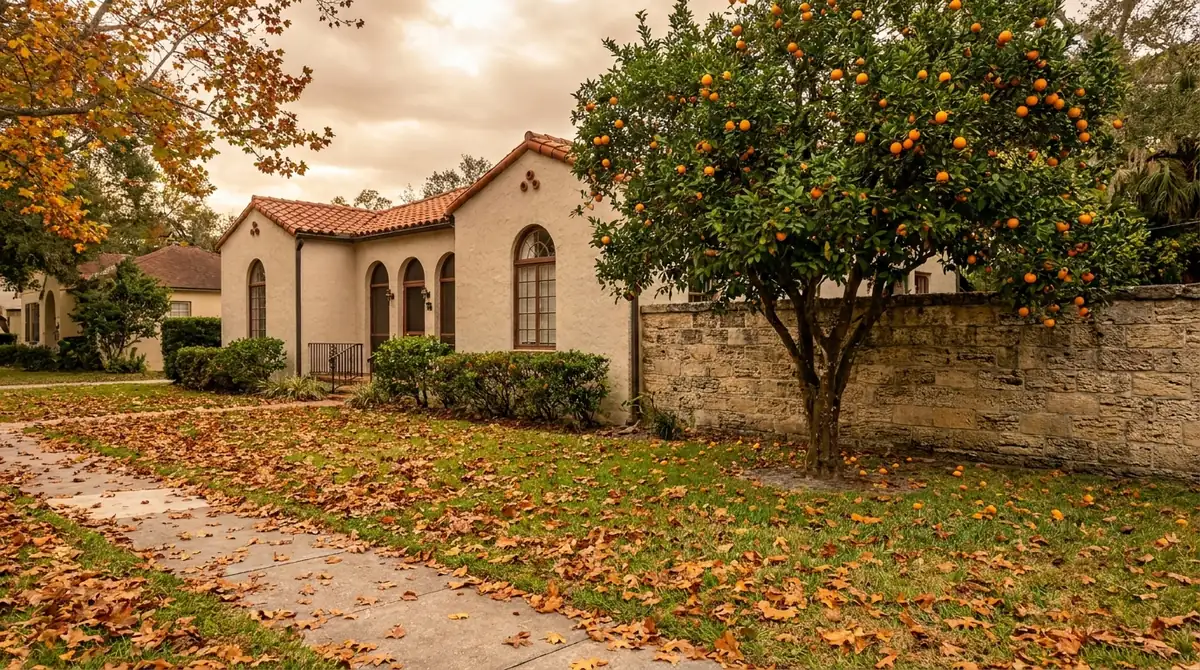
St. Augustine home in fall with live oaks and palms

Fall

Fall is the busiest season for sealing. Citrus ripens, and cooler nights from October onward drive roof rats indoors, so homeowners first notice them from October through January. We seal in fall before the indoor peak settles in.

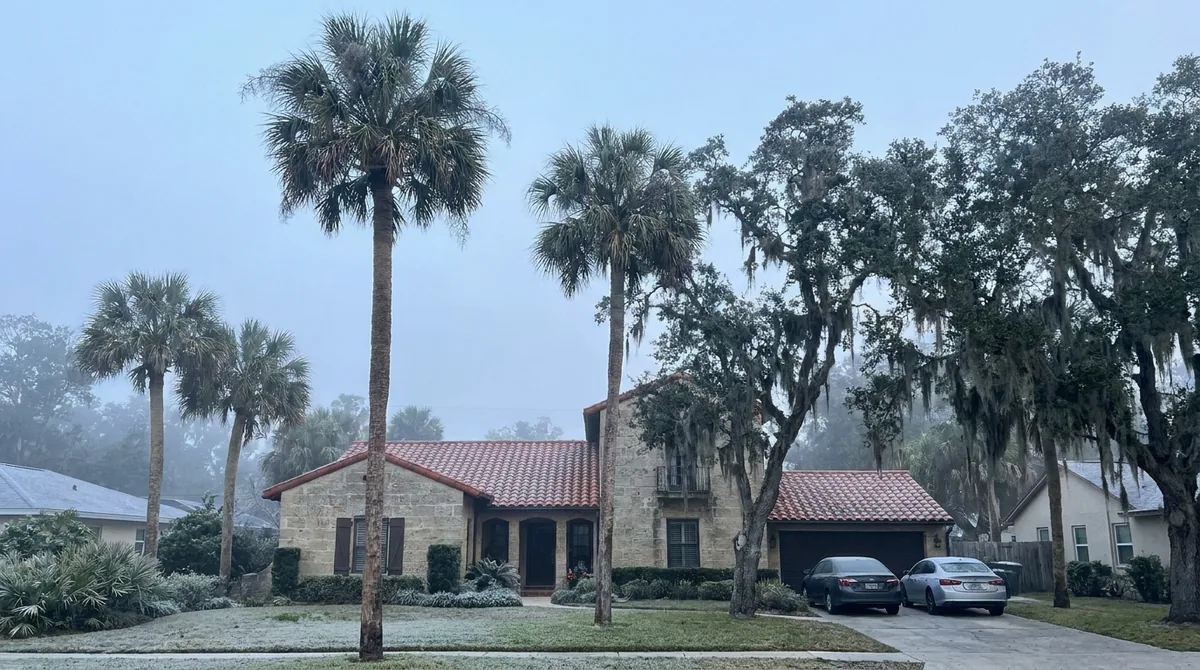
St. Augustine home in winter with live oaks and palms

Winter

Winter is the indoor peak in Florida. Rats nest in warm attic insulation and follow the same route every night, and scratching above a bedroom is often the first sign. Trapping plus sealing is the work that ends it, because trapping alone leaves the route open.

Before and after

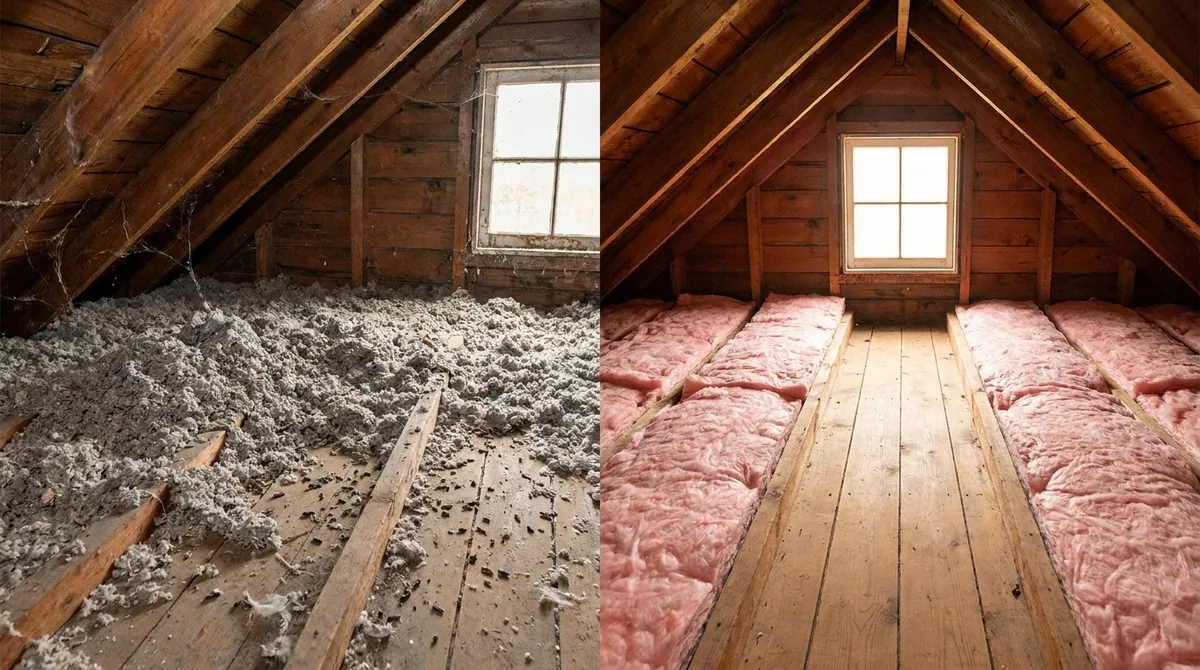
Rodent Damage in Historic Downtown Before Our Visit and After the Fix

What rodent damage looks like on day one, and what is different when the job is done, in three places Historic Downtown homes are hit most often.

Rodent control in Historic Downtown before and after: attic insulation with droppings and nesting material on the left, fresh clean insulation on the right Before After
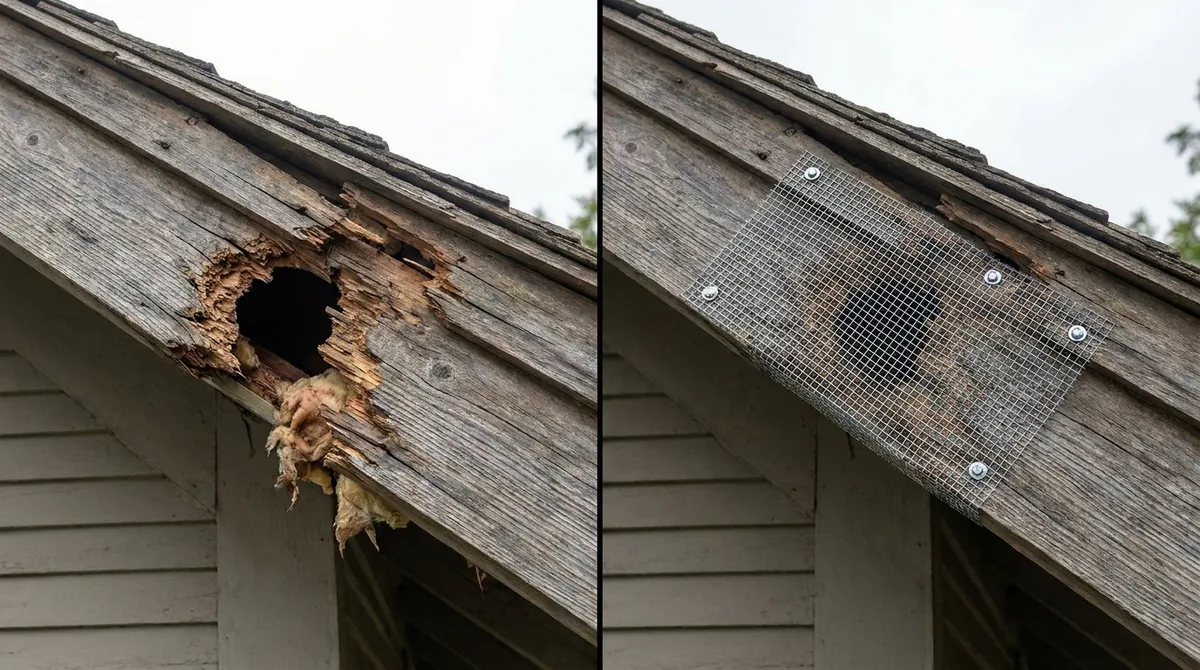
Rodent control in Historic Downtown before and after: open gnawed roofline gap on the left, steel mesh seal on the right Before After
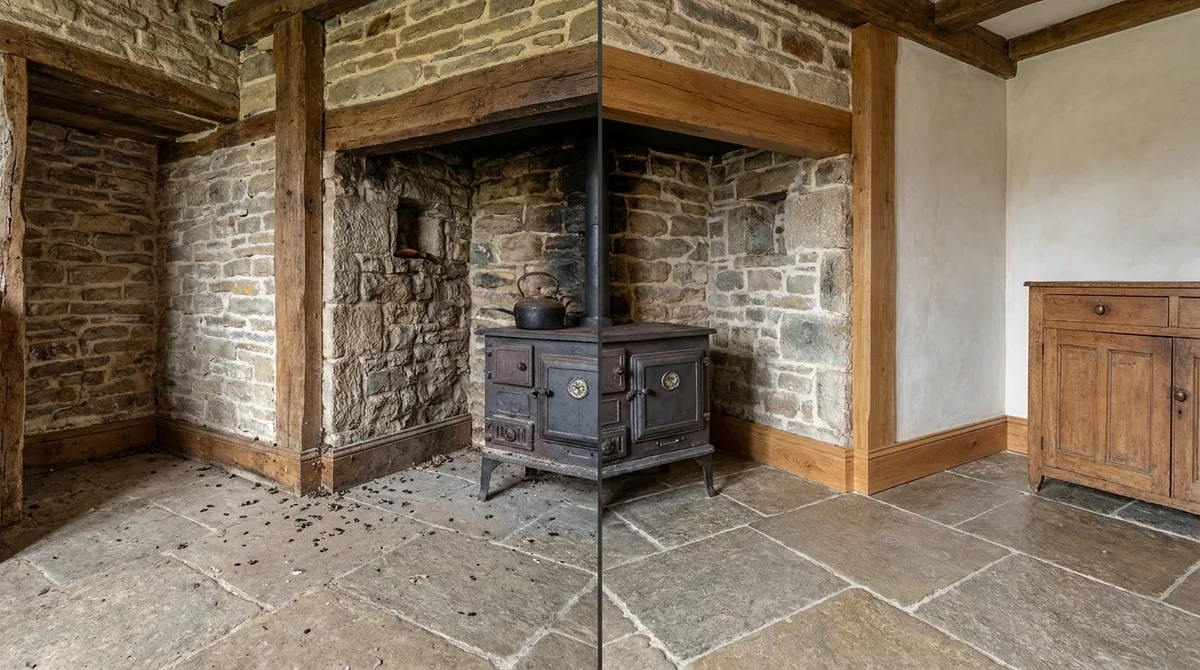
Rodent control in Historic Downtown before and after: historic home kitchen corner with droppings on the left, clean and sealed corner on the right Before After

These pairs show the kind of change a visit makes. They are illustrative images, not photos of one single job: every home’s before and after looks different. The full job is Attic and Crawl Space Cleanup after Rodent Inspection and Exclusion.

Nearby areas

Nearby St. Augustine Neighbourhoods

We serve the whole city of St. Augustine. If your home is in one of these nearby neighbourhoods, it is in our service area.

Uptown

San Marco Avenue corridor north of downtown.

North City

Live oaks, marsh edges and the yacht harbour.

Questions, answered

FAQs About Rodent Control in Historic Downtown

Why Do Historic Downtown Homes Get Roof Rats?

The district pairs large live oaks near the Bayfront with old homes, tile roofs and citrus trees, and roof rats use all of it. They travel branches, fences and utility lines to the roofline, then enter through soffits, attic vents and gaps where wires and pipes go in.

How Does HARB Affect Rodent Exclusion Work?

HARB restricts exterior changes on historic facades, so we plan sealing that respects the facade and uses steel mesh and metal fitted discreetly at the roofline, vents and pipe entries. The work closes the gaps without changing how the front of the home looks.

Are Roof Rats Common Near the Bayfront?

Yes, roof rats are common in neighbourhoods with large oak trees near the Bayfront and the Historic District. Overhanging oak branches are a route straight to the attic, and we ask homeowners to keep branches back from the roof.

What Should I Do if I Hear Scratching in the Attic?

Call us and describe what you heard and when. We inspect the attic, the roofline and the vents, then trap the animals inside and seal every gap we find.

Do You Work in Shops on St. George Street?

Yes, we work in shops and restaurants on St. George Street and across downtown, around opening hours. We seal stockroom and kitchen gaps, set traps on the routes the animals use, and plan follow-up visits so the shop stays sealed.

What homeowners say

What Historic Downtown Homeowners Say

“Our old home near St. George Street had gaps everywhere. They sealed the foundation and the coquina walls with care for the historic facade. No more mice in the kitchen.”

Henry S.Historic Downtown

“Rats were in our shop’s storage room on the brick street. They sealed the back door gaps and set traps. We have been clear since.”

Ivy L.Historic Downtown

“The house is over 80 years old and the rats loved it. They sealed every gap they could find and the problem is gone.”

Jack M.Historic Downtown

Find us

Find Our Office in St. Augustine

Call us and tell us where you are in St. Augustine. Our office is on Allgood Circle in St. Augustine, and our technicians serve homes across the city, from Lincolnville to Davis Shores and from Uptown to West St. Augustine.

  • All eight St. Augustine neighbourhoods, from Historic Downtown to Fullerwood
  • Houses, apartments, condos, townhomes and businesses
  • Fast inspections, call us to arrange one
Call (904) 533-7109

Our office: 190 Allgood Cir #109, St. Augustine, FL 32086 · Get Directions

St. Augustine, FL · ZIPs 32080, 32084, 32086, 32092 & 32095

Hearing Scratching Tonight? Tell Us Where.

Tell us what you have seen or heard, and our team will come to your St. Augustine home.

(904) 533-7109
Call (904) 533-7109
Call (904) 533-7109