
The Right Rat, Identified First
Roof rats climb, Norway rats burrow. We identify the species before we trap, so the traps go where that rat actually travels.

Roof rats are the dominant rat problem in St. Augustine, living in palm fronds, citrus trees and tile roofs and slipping into attics through soffits and vents. Our own technicians trap and remove them, then seal the gaps so they cannot come back. Call and tell us what you have seen or heard.
St. Augustine gives roof rats almost everything they need: sabal palms with thick skirts of dead fronds, citrus and fruit trees, live oaks whose branches reach the roof, and barrel tile roofs with sheltered gaps at the roofline. A roof rat is also called a palm rat, a fruit rat or a citrus rat in Florida, and all three names mean the same animal. It climbs, nests high, and eats fruit, so it is usually found in the attic, the soffits or the top of a wall, not on the ground.
Norway rats are the second rat in the city. They are heavier, ground-dwelling burrowers that live along foundations, under slabs, in pier-and-beam crawl spaces and near the waterfront and marsh edges. When the two species compete for one building, one usually wins and the other moves on, so a home normally has one kind of rat, not both. Our rodent inspection and exclusion visit identifies which one it is before any trap is set.
Where you hear the noise is the first clue. Scratching overhead at night, in the ceiling or the upper walls, usually means a roof rat. Scratching and burrowing sounds low down, near the floor or under the house, usually means a Norway rat. Either way, trapping alone is not the answer: the animals inside must be removed and the gaps sealed in the same job, or new rats follow the same scent trails back in. See rodent trapping and removal for how the trapping step works.
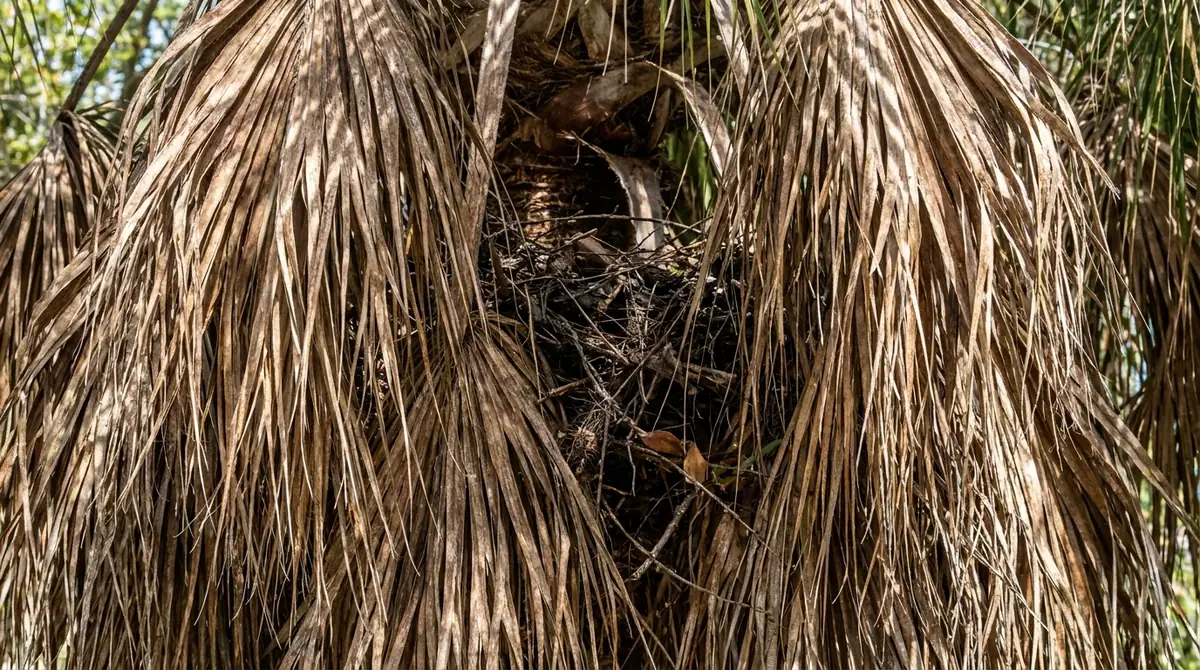
The two rats look alike at a glance, but they differ in size, shape, droppings and nesting habits. This table is what our technicians check on an inspection, and it is what you can check too.
| What to look at | Roof rat | Norway rat |
|---|---|---|
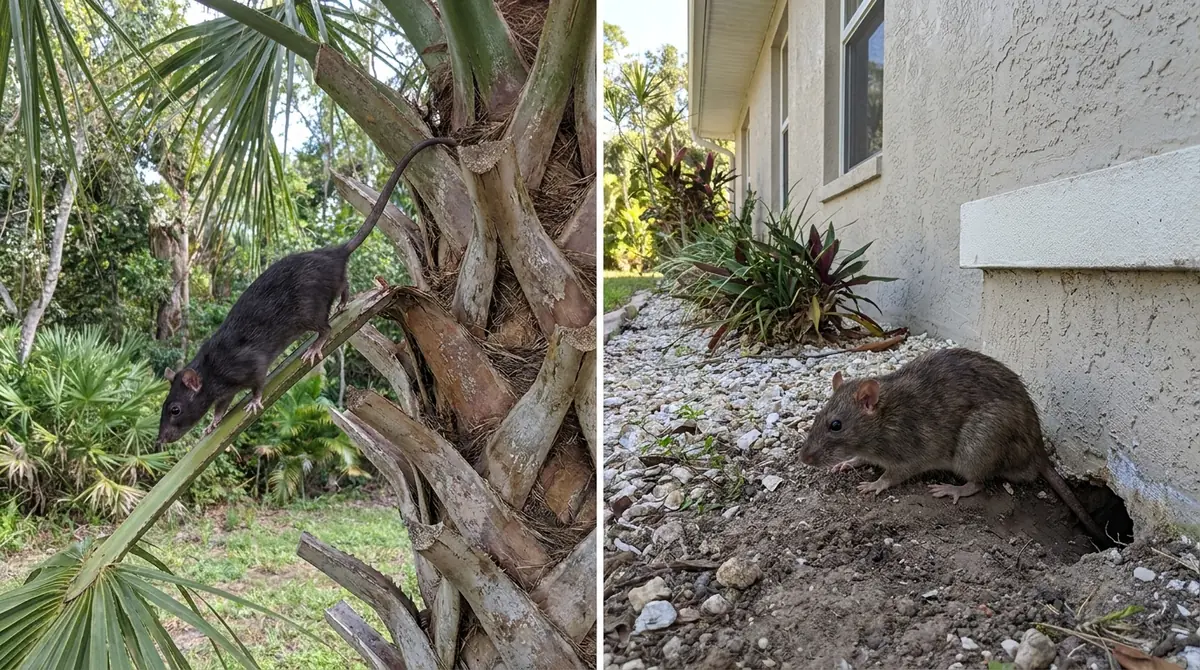
| Size | Slender, 5 to 10 oz; body 6 to 8 in; tail longer than head and body | Stocky, 12 to 17 oz; body 7 to 9 in; tail shorter than head and body |
| Nose and Ears | Pointed nose, large prominent ears | Blunt nose, smaller ears |
| Colour | Black to gray to brown, with a light underbelly | Brownish-gray, with a lighter underbelly |
| Nests | High: attics, soffits, wall voids, palm frond skirts, trees | Low: burrows along foundations, under slabs, crawl spaces, sewers |
| Droppings | Spindle-shaped with pointed ends, about 1/2 in | Blunt and capsule-shaped, about 3/4 in |
| Food | Fruit, vegetables and grain, citrus above all | Nearly anything, including garbage |
| Sounds | Scratching overhead at night, in the attic and upper walls | Burrowing and scratching at ground level |
Two or more signs usually mean a nest. Call and describe what you have seen, and we will tell you straight away whether it sounds like rats, and what to do next.
A rat squeezes through a gap half an inch wide, about the size of a quarter, and a mouse through a gap a quarter of an inch wide. St. Augustine homes, many of them old, give rats more chances than a new build does. These are the gaps our technicians find most often:
Indoor rat activity peaks from October through February, when cooler weather drives rats inside, and it lines up with citrus ripening, so many homeowners first notice roof rats in the fall. After a hurricane or heavy storm, activity can surge, with the peak typically two to three weeks after the storm, as flooded burrows push rats to higher, drier ground. Sealing the gaps before the peak is what keeps a one-off visit from becoming a yearly problem.
The attic, crawl space, garage and roofline are walked, droppings and nesting material are found, and every entry point is photographed. You get a plain-language plan and a written list of what needs sealing before any work starts.
Snap traps go on the rats' routes inside the house, in the attic, crawl space and garage. Traps are checked, emptied and reset until the activity stops. A heavy or settled infestation starts with an intensive clean-out phase, with more traps and more visits in the first days, before the job settles into sealing and follow-up.
Gaps half an inch and wider are sealed with hardware cloth, steel mesh, sheet metal or mortar, so new rats cannot follow the old scent trails in. Foam and caulk alone are never used, because rats chew through them.
Traps are checked and the seals looked at again to confirm the fix is holding and no new activity has started.
Day ranges are typical for a light infestation; a settled colony can take longer, and the inspection will tell you. Our own technicians do the work, and explain the plan in plain language before we begin.
Rat control is not one tool. It is the right tool in the right place, and the wrong tool in the wrong place is what causes problems. This is how we work:
A rat in the attic is not a job for a general pest spray. It takes a rodent exterminator who identifies the species first, sets the right traps, and seals so the fix holds. That is what our rodent-only team does, and it is why St. Augustine homeowners call us first.
Roof rats climb, Norway rats burrow. We identify the species before we trap, so the traps go where that rat actually travels.
Hardware cloth, steel mesh, sheet metal and mortar. Never foam or caulk alone, so a rat cannot chew its way back in.
No poison inside the house. Snap and live traps go inside, bait stations stay outside, where pets and children cannot reach them.
You get a plain plan of what we found, what we sealed, and what happens next. No vague promises, no jargon.
We work only in St. Augustine. We know the palm skirts in Davis Shores, the oak canopy in Historic Downtown, and the roofline gaps in the older frame homes of Lincolnville.
We come back on Day 14 to check for new activity. If the rats are gone and the seals hold, the job is done.
Trapping and sealing fix the rats you have now. These four habits keep new rats from moving in after we leave. Do them, and the next rat has nowhere to go.
What rat damage looks like on day one, and what is different when the job is done, in three places rats damage most often.
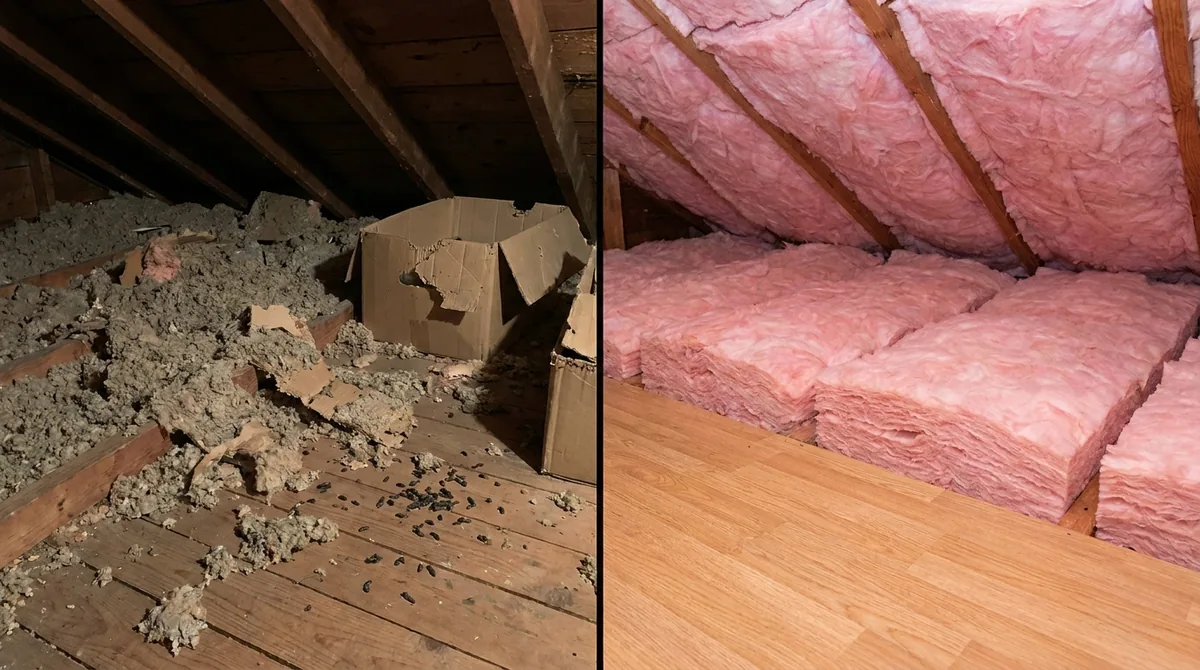 Before
After
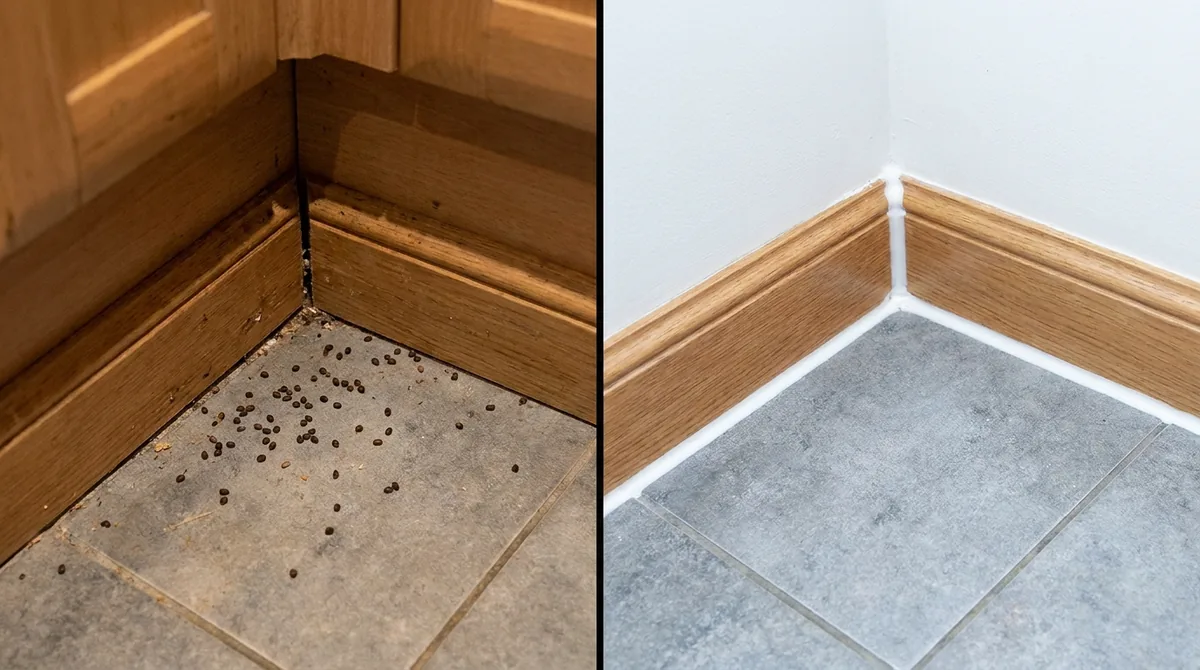 Before
After
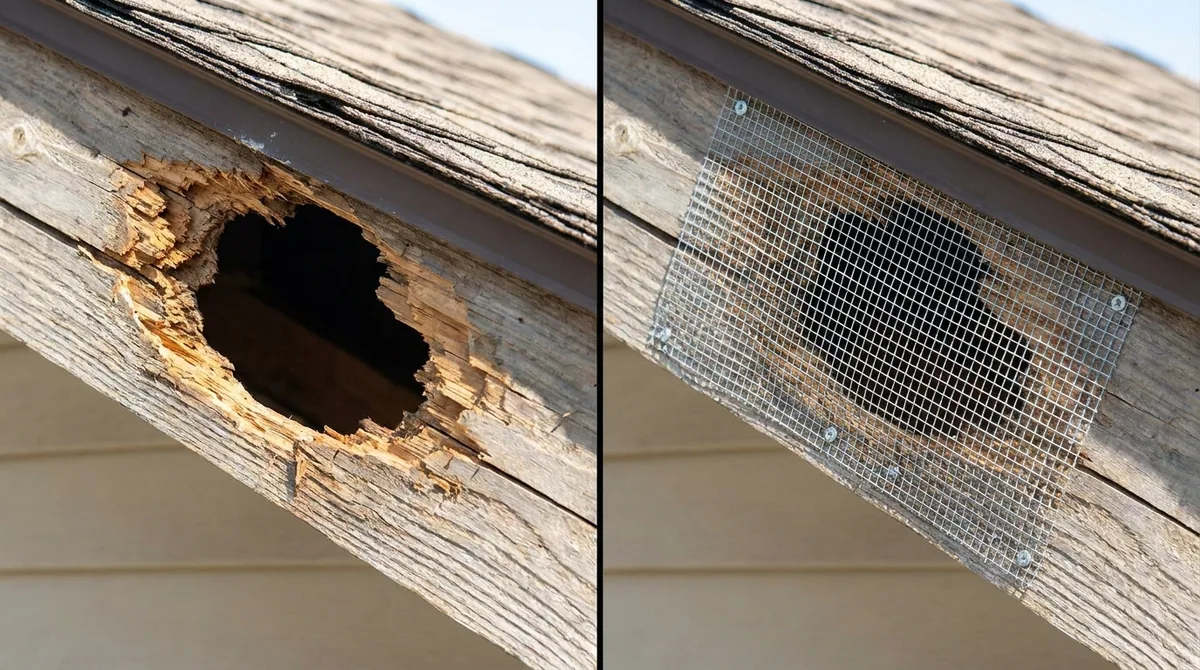 Before
After
These pairs show the kind of change a rat control visit makes. They are illustrative images, not photos of one single job: every home's before and after looks different. The full job pairs trapping with sealing, and finishes with attic and crawl space cleanup.
Most rat jobs can wait a day. These three cannot. If any of these is happening in your home, call now and tell us.
A rat seen in a kitchen, bedroom or living room means the animals are no longer staying in the attic or crawl space. Keep children and pets out of the room and call us.
Rats chew wiring, and chewed wiring can short out circuits. If you find gnawed cables or a circuit that keeps tripping, call us and do not touch the damaged wiring yourself.
Droppings in a pantry, on a kitchen counter or near stored food mean the rats are reaching your food. Do not sweep dry droppings; call us and we will handle the cleanup safely.
If a rat is in a living space right now, see emergency rodent control for what to do before we arrive. If you smell a dead animal in a wall, attic or crawl space, see dead rodent removal.
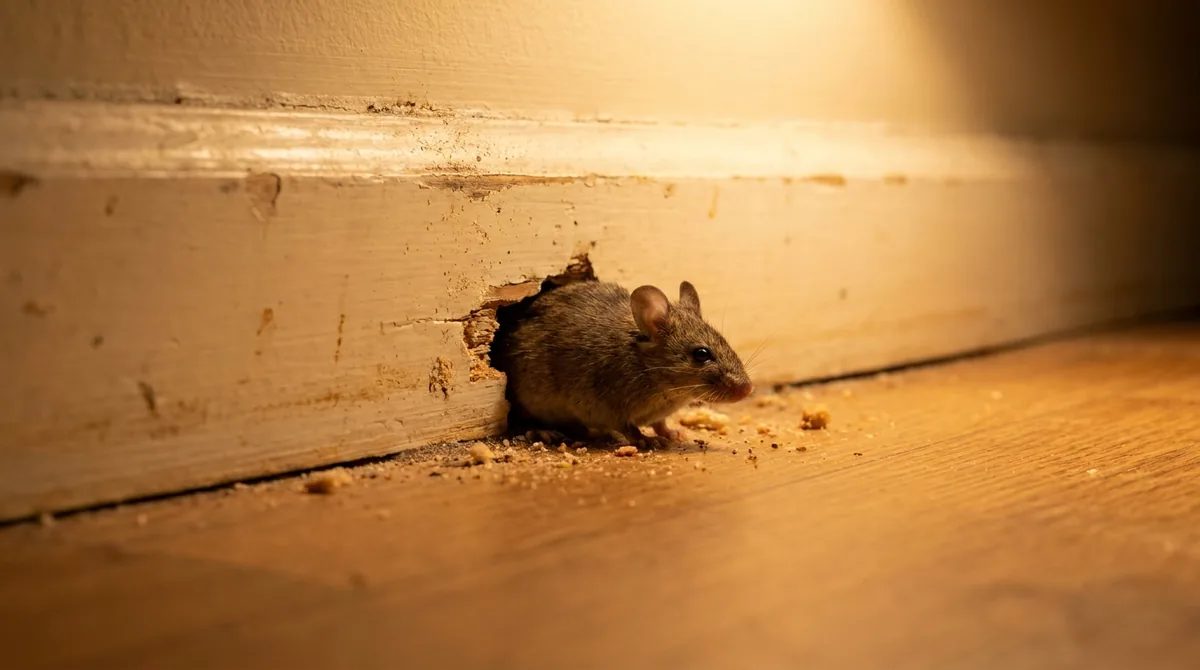
House mice in kitchens, attics and walls. We trap the mice, find the quarter-inch gaps they use, and seal them with steel mesh and caulk, so a few mice do not become a whole colony.
View Details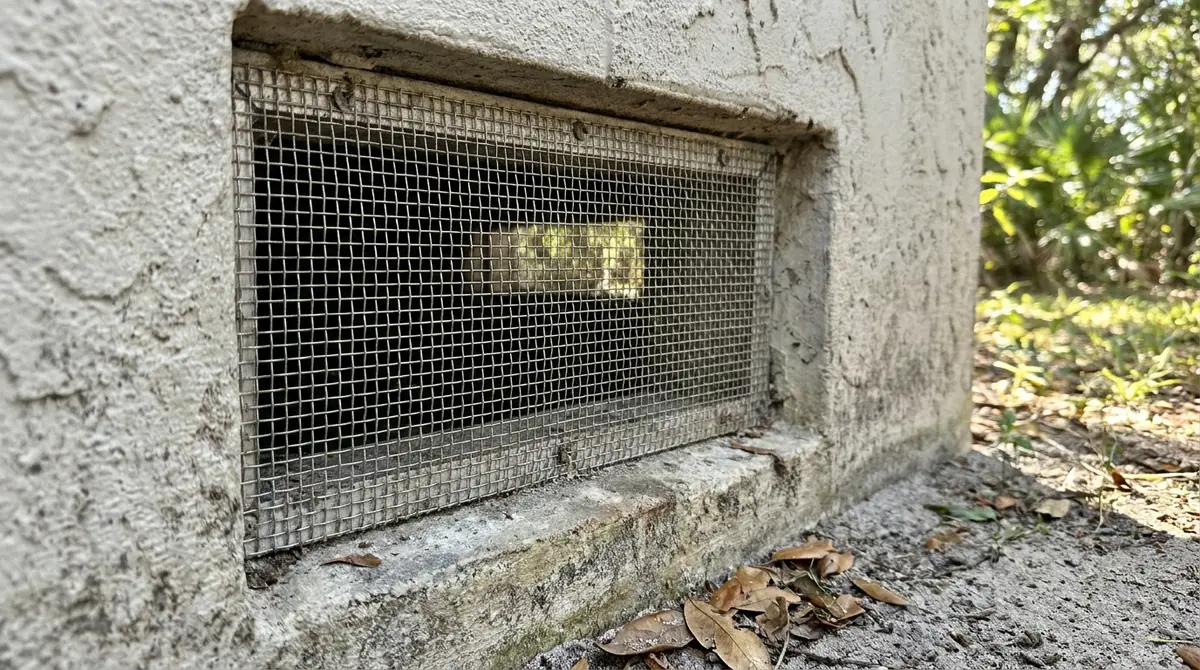
Every gap found, then sealed with steel mesh. Our technician walks the whole house, roofline, vents, foundation and pipes, photographs each opening, and seals it so rats and mice stay outside for good.
View Details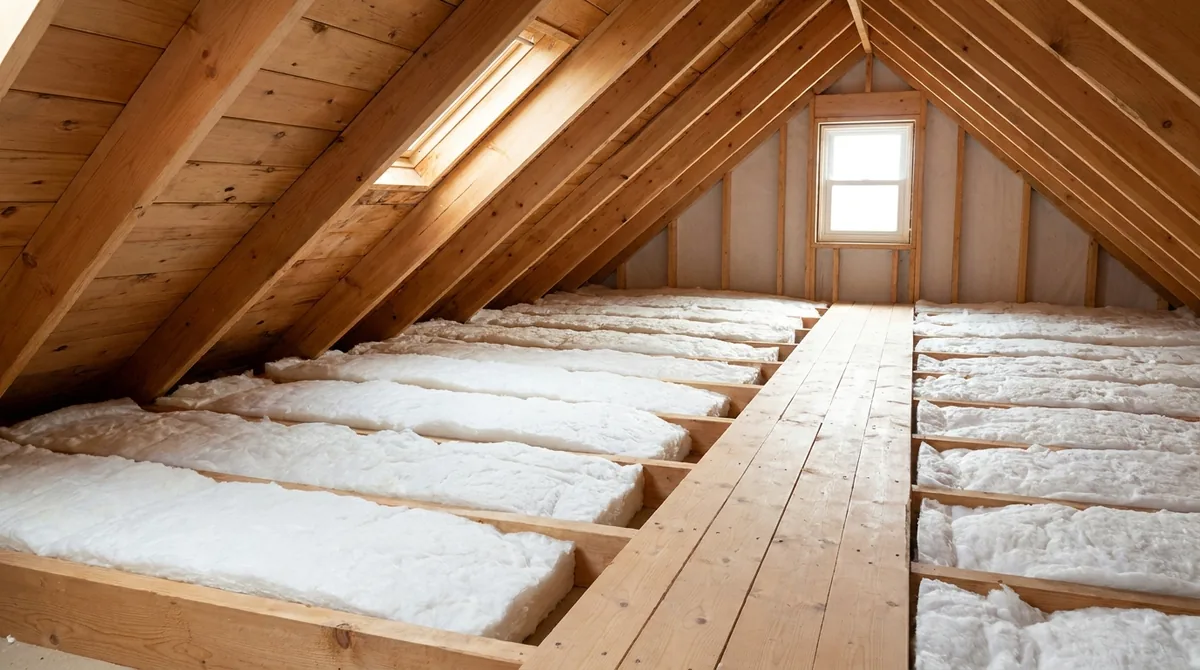
Droppings removed, space sanitised and deodorised. We clear contaminated insulation and droppings, disinfect the area, and fit fresh insulation where it is needed.
View DetailsPractical guides from our St. Augustine team: how to spot roof rats, tell them apart, and keep them out for good.
November 2026
Slender climber or stocky burrower? Size, droppings, sounds and nesting spots give them away.
Read the Guide →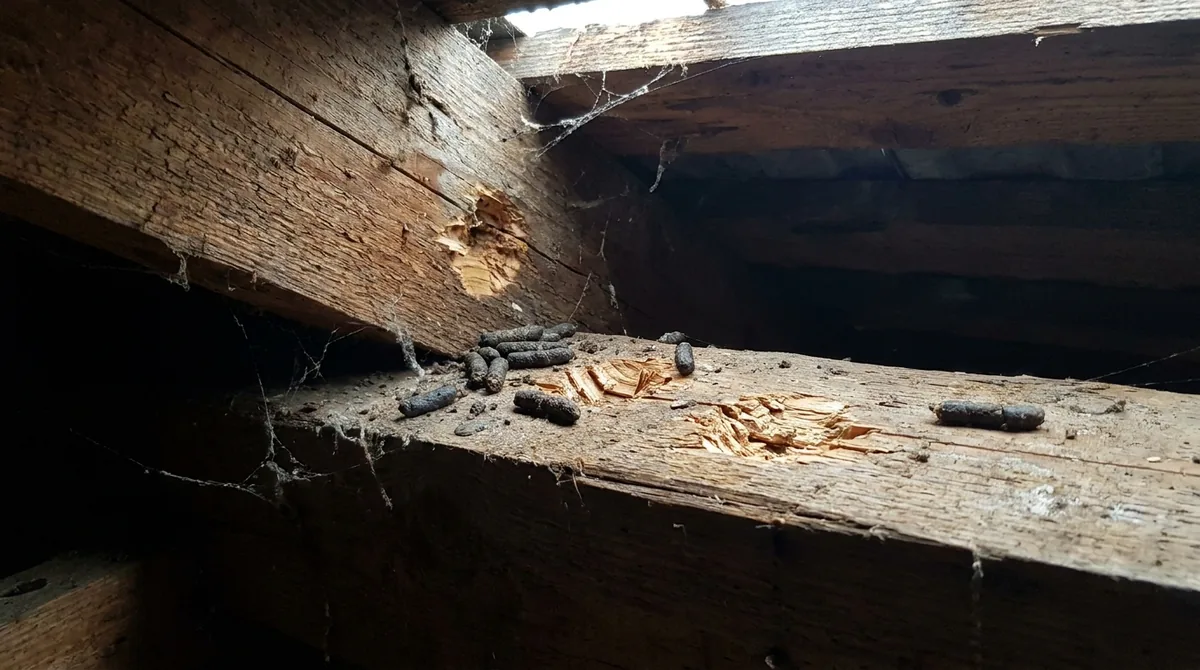
November 2026
Hollowed citrus, palm frond skirts, attic scratching and greasy rub marks: the signs that usually mean a nest.
Read the Guide →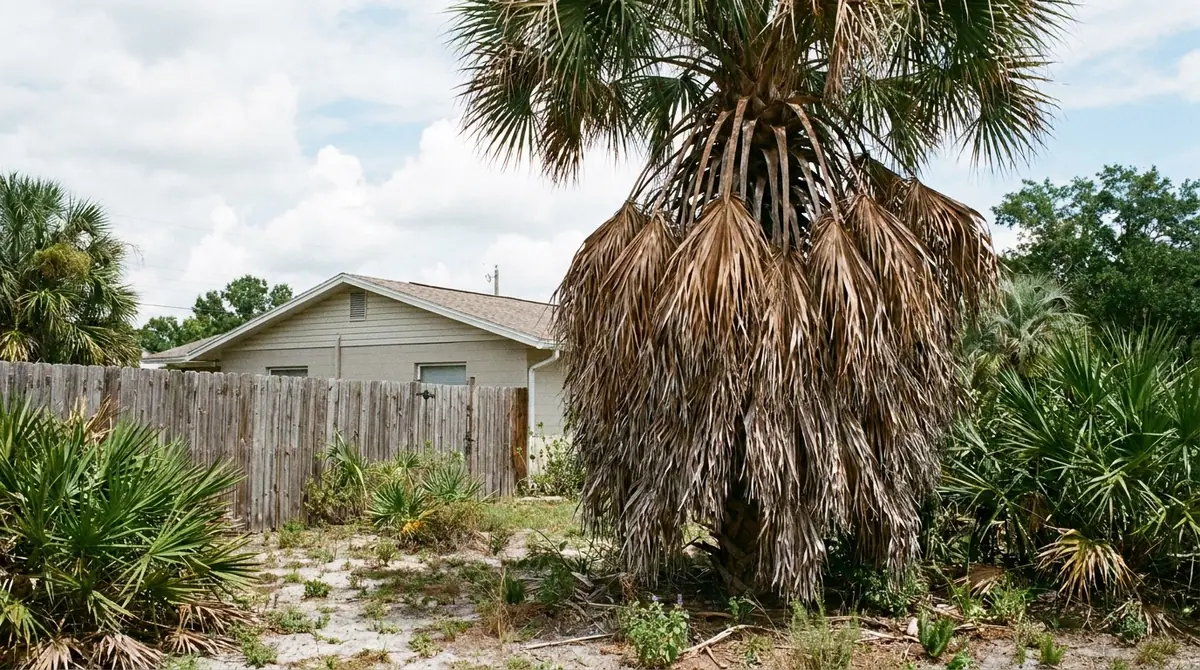
November 2026
A palm rat is a roof rat that nests in palm fronds. Why palms attract them, and how to cut the risk.
Read the Guide →Look at the nose, ears and tail, and listen for where the noise is. A roof rat is slender with a pointed nose, large ears and a tail longer than its head and body. It nests high, in attics, soffits and palm fronds. A Norway rat is heavier and stockier with a blunt nose and a tail shorter than its body. It burrows and nests low, in crawl spaces and at ground level. Noise in the attic at night usually means a roof rat; noise low down, near the floor, usually means a Norway rat.
Yes, mainly because of what they chew and contaminate. Rats gnaw wiring, which can short out circuits, and chewed wiring is a fire risk: exposed wires can short and start a fire. They also chew wood, pipes and insulation. Their droppings and urine contaminate insulation and stored items, and can carry diseases, including salmonella, leptospirosis and hantavirus. A rat in the attic should not be left alone: the longer it stays, the more damage it does and the more animals follow its scent trails.
Call us and we will arrange a fast inspection. Tell us what you have seen or heard and where, and we will come to your St. Augustine home, walk the attic, crawl space and roofline, and give you a plain-language plan before any work starts.
Most rat jobs take one to two weeks to reduce activity sharply, and two to four weeks to eliminate the rats, depending on how settled the colony is and how many gaps need sealing. Trapping starts on day one, and sealing follows once activity drops. A settled colony in a large attic can take longer, and the inspection will tell you what to expect before work starts.
No. Inside the house we use snap traps placed on the rats' routes, away from children and pets. Poison is never placed indoors, because a poisoned rat can die inside a wall and is then hard to remove. Outside, we use tamper-resistant bait stations with rodenticide bait, secured and placed where children and pets cannot reach them.
They will if the gaps stay open. Trapping removes the animals that are already inside, but new rats follow the same scent trails through the same holes. That is why every rat control job ends with sealing: gaps half an inch and wider are closed with hardware cloth, steel mesh, sheet metal or mortar, and we check the seals again on a follow-up visit.
A palm rat is a roof rat that nests in palm fronds. It is the Florida nickname for the same animal, not a different species. Untrimmed sabal palms with a thick skirt of dead fronds give roof rats shelter close to the roof, which is why trimming palms is one of the best things you can do to keep them out.
We provide rat control across St. Augustine, including Historic Downtown, Lincolnville, Uptown, North City, Davis Shores, Anastasia Island, West St. Augustine and Fullerwood. See all rodent control service areas in St. Augustine.
“Palm rats were nesting in the dead fronds above our roof and slipping in through a gap in the barrel tile. They cleared the fronds, sealed the gap with steel mesh, and trapped the ones inside.”
Mark T.Lincolnville
“We found droppings in the pantry and did not know where they were coming from. They found the entry under the sink, sealed it, and showed us the photos. No more rats.”
Emily W.North City
“The rats had gnawed a hole through the soffit. They sealed it with sheet metal, checked the rest of the roofline, and the attic has been quiet for months.”
David L.West St. Augustine
Call us and tell us where you are in St. Augustine. Our office is on Allgood Circle in St. Augustine, and our technicians serve homes across the city, from Lincolnville to Davis Shores and from Uptown to West St. Augustine.
Our office: 190 Allgood Cir #109, St. Augustine, FL 32086 · Get Directions
Tell us what you have seen or heard, and our team will come to your St. Augustine home.
(904) 533-7109