Two kinds of rat live in St. Augustine, and telling them apart is the first step to getting rid of them. The roof rat is the dominant rat across Florida, while the Norway rat is present too, mostly at ground level near the waterfront and in older homes with crawl spaces. They look alike at a glance, but they nest in different places and need different trap placement and sealing work.
Two Rats, Two Very Different Habits
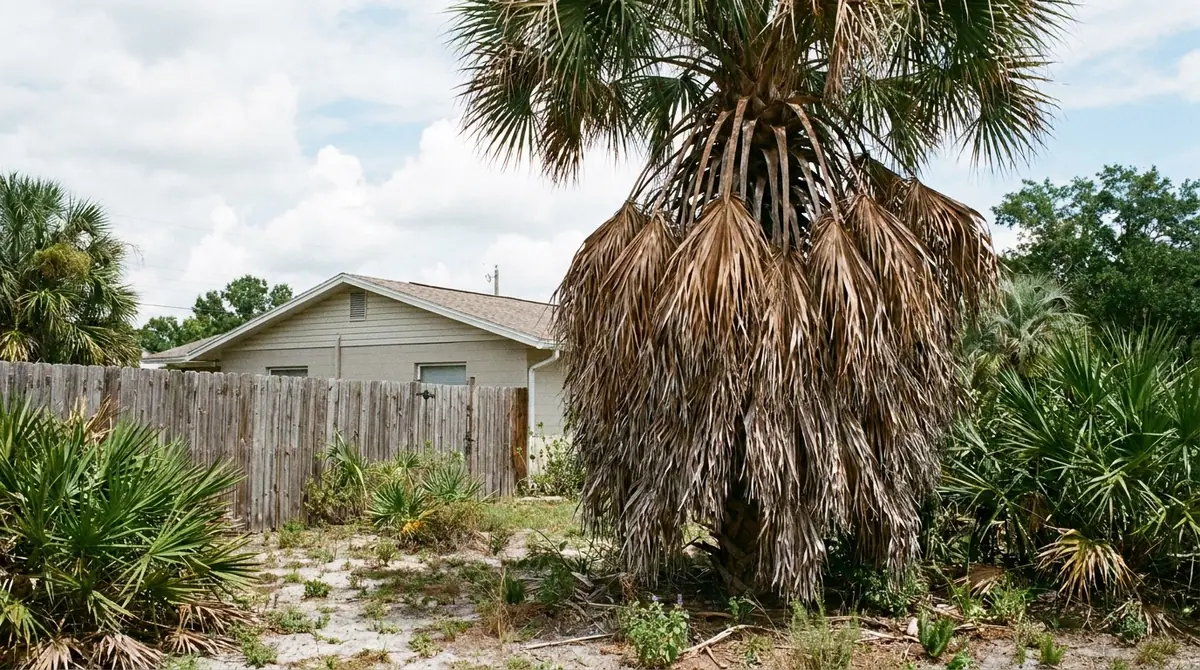
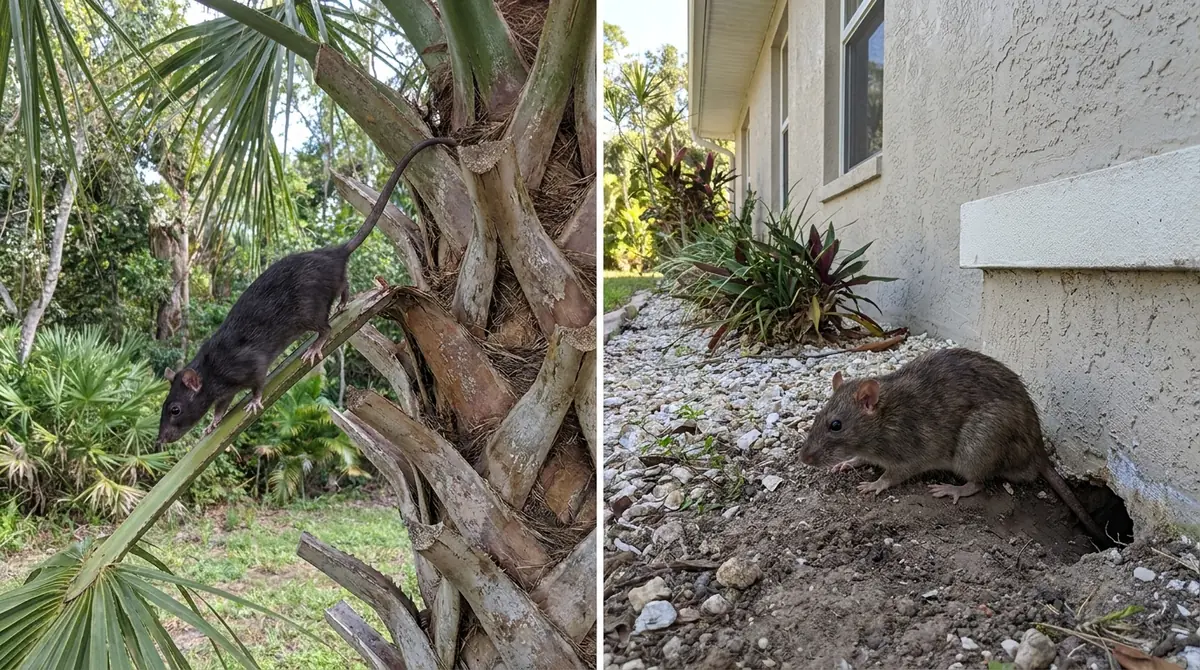
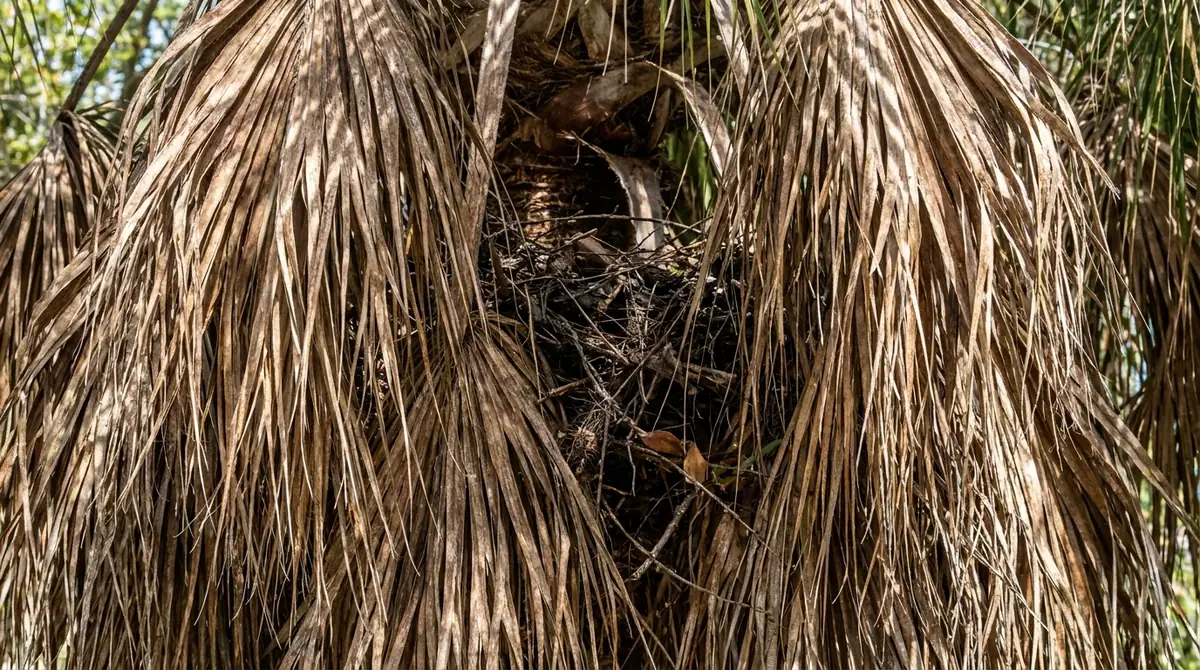
The roof rat, Rattus rattus, is a slender climber. It is the most common rat in Florida by a wide margin, and St. Augustine suits it well, with live oaks, palm trees, citrus trees, tile roofs and warm weather all year. Roof rats travel along branches, fences and utility lines to the roofline, then slip in through soffits, attic vents and gaps where wires and pipes pass through the wall. They are also called black rats, fruit rats and citrus rats, and in Florida the nickname palm rat is common, because they nest in palm fronds.
The Norway rat, Rattus norvegicus, is a heavier, ground-dwelling burrower. It is also called the brown rat or sewer rat. In St. Augustine it turns up around foundations, under slabs, in crawl spaces, near dumpsters, canals and the waterfront, and along marsh edges. Older homes with pier-and-beam crawl spaces, such as some frame cottages in Lincolnville, give it the low, sheltered nesting spots it prefers.
Roof Rat vs Norway Rat Identification Table
| Feature | Roof Rat | Norway Rat |
|---|---|---|
| Size | Slender, 5 to 10 oz; body 6 to 8 in; tail longer than head and body | Stocky, 12 to 17 oz; body 7 to 9 in; tail shorter than head and body |
| Nose/Ears | Pointed nose, large prominent ears | Blunt nose, smaller ears |
| Colour | Black to gray to brown, light underbelly | Brownish-gray, lighter underbelly |
| Nests | High: attics, soffits, wall voids, palm frond skirts, trees | Low: burrows along foundations, under slabs, crawl spaces, sewers |
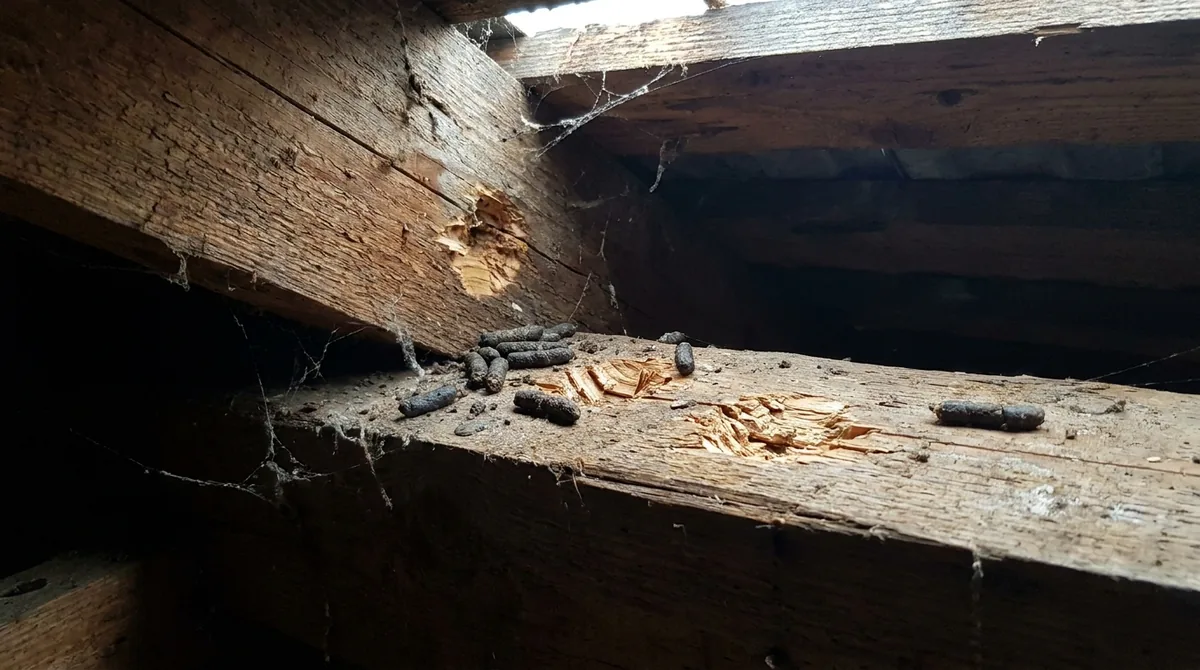
| Droppings | Spindle-shaped, pointed ends, about 1/2 in | Blunt, capsule-shaped, about 3/4 in |
| Food | Fruit, vegetables, grain, citrus | Nearly anything, including garbage |
| Sounds | Scratching overhead at night, in attic and upper walls | Burrowing and scratching at ground level |
Size is the quickest check when you see the animal itself. A roof rat looks slim and long-tailed, with large prominent ears and a pointed nose. A Norway rat looks heavy and thick-set, with a tail shorter than its head and body together, a blunt nose and smaller ears. Droppings are the most reliable clue when you never see the animal: roof rat droppings are spindle-shaped with pointed ends, about 1/2 inch long, while Norway rat droppings are blunt and capsule-shaped, about 3/4 inch long.
Which One Is in Your Attic?
If the signs are overhead, it is almost always a roof rat. Scratching in the attic or in upper walls at night, shredded insulation pulled into piles, droppings along attic beams, and gnaw marks on rafters all point to a climber that nests high. Roof rats nest in attics, soffits and wall voids, and outside they nest in palm frond skirts and in trees close to the house.
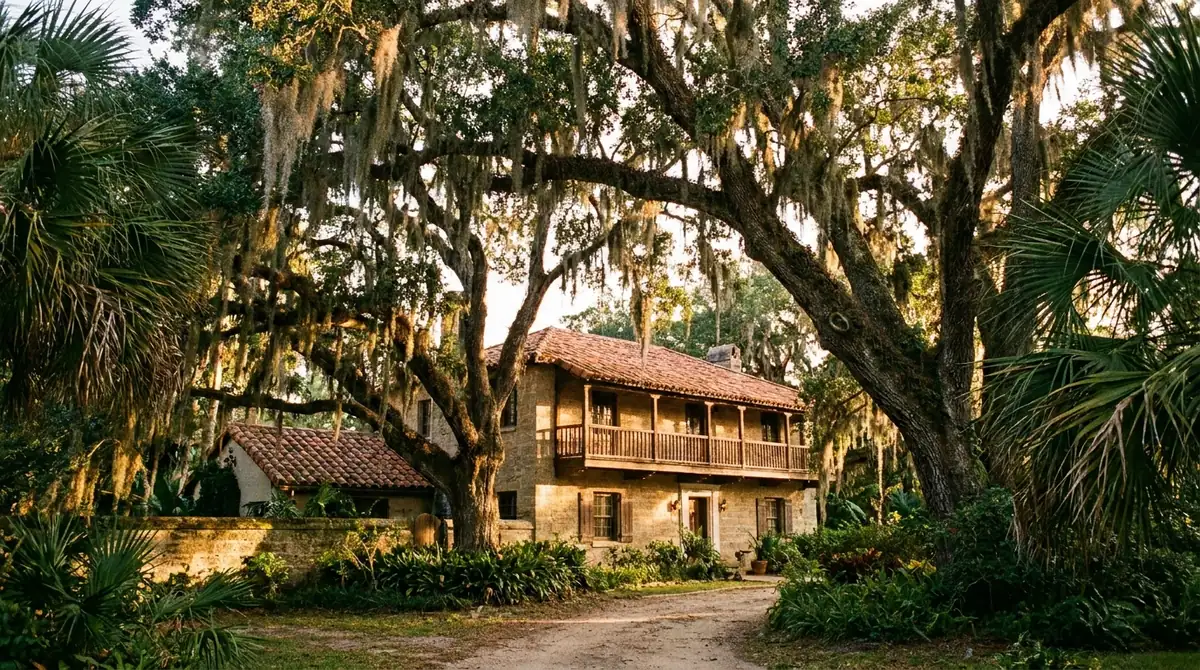
The route into the attic is usually from above, not from the ground. Roof rats cross from an overhanging oak branch, a palm frond, a fence or a utility line straight to the roofline, then use gaps under barrel tile, seams where tile meets fascia, soffit and fascia joints, ridge vents, gable vents and attic vents. In St. Augustine, the gaps under and between barrel and S-tile create sheltered runways and nesting pockets right at the roofline, so a tile roof needs a close look at every seam.
Citrus is another attic clue. A hollowed-out orange or other citrus fruit still hanging on the tree, with a quarter-sized circular hole, is a signature roof rat sign. Roof rats eat fruit, vegetables and grain, and citrus trees in St. Augustine yards draw them in, especially from October to January, when citrus ripens and cooler weather drives rats indoors.
Which One Is at Ground Level?
If the signs are low, think Norway rat. Burrows along the foundation, droppings in the crawl space or garage, gnaw marks on low pipes and door frames, and scratching sounds at ground level all point to a burrower. Norway rats nest in burrows along foundations, under slabs, in crawl spaces and in sewers, and they feed on nearly anything, including garbage, so they are common near dumpsters, canals and waterfront areas.
In St. Augustine, the waterfront and marsh edges are the likeliest Norway rat habitat: the Bayfront, the Matanzas River and Bay, the Tolomato River marshes, and low-lying coastal ground. Older homes with pier-and-beam crawl spaces give them dry, sheltered nesting spots under the floor. If your home is near the water and the signs are all at ground level, tell us that when you call, because it changes where our team starts the inspection.
Why Telling Them Apart Matters
Trap placement depends on the species. Roof rat traps go high, along attic beams, near roofline entry points and in upper wall voids. Norway rat traps go low, along foundation walls, in crawl spaces and near burrows. Put the traps in the wrong place and they sit empty while the nest grows. Sealing work differs too: a roof rat job focuses on the roofline, soffits and vents, while a Norway rat job focuses on foundation gaps, slab edges and crawl space vents.
Speed matters as well, because rats breed all year in Florida. A roof rat female produces 4 to 5 litters a year, with 5 to 8 pups in each litter, and the young grow fast. A single pair in the attic in October can become a much larger problem by February, which is the peak indoor season, from October through February, when cooler weather drives rats inside. An identification that takes a few minutes now can save weeks of trapping later.
What to Do Next
Start by noting where you found the signs: attic or ground level, which rooms, and what time of night you heard sounds. Take a photo of the droppings next to a coin for scale if you can do so safely, and leave the droppings alone until our team arrives. Then call us and tell us what you found, and our team will inspect your home, work out which rat you have, and give you a plain-language plan before any work starts.
Read our rat control page to see how an inspection, trapping and sealing visit works in St. Augustine, from Historic Downtown to Davis Shores and from Uptown to West St. Augustine. Trapping comes first, sealing comes second, and cleanup comes third, and that order is the same whichever rat is in your home.