
Smell Treated at the Source
The animal and the soiled material around it come out first, so the odour is removed, not covered over.
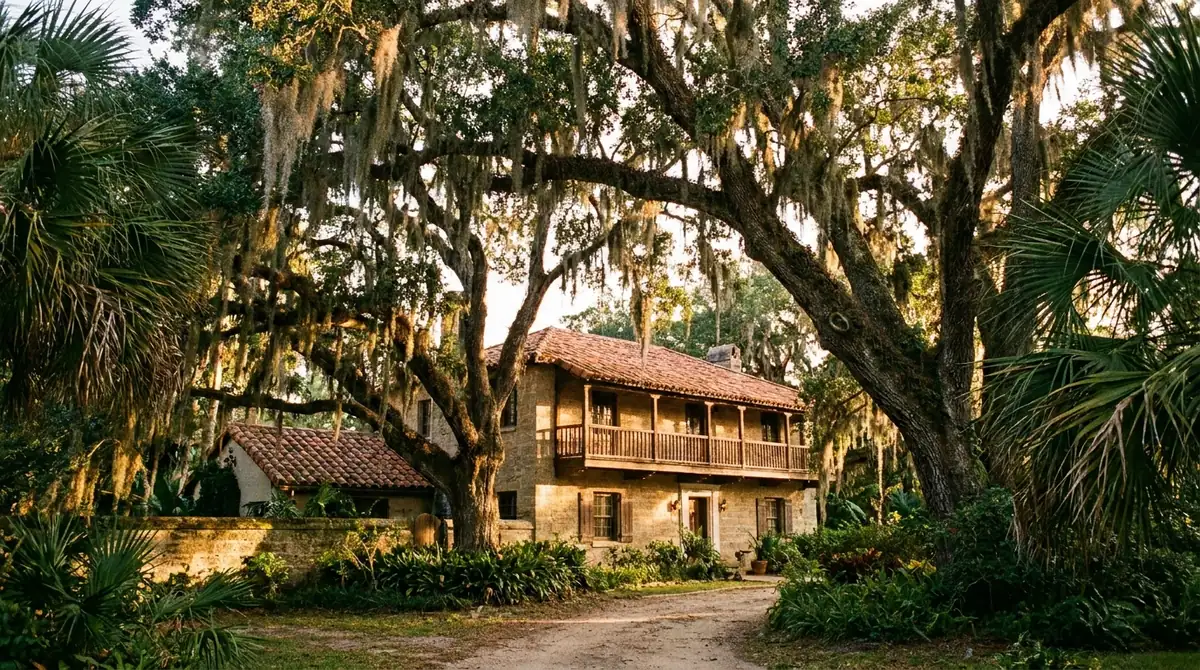
A rat that dies inside a wall, attic or crawl space leaves a smell that grows stronger by the day. Our own technicians find the animal, remove it safely, and treat the odour at the source, so the room is fit to use again.
A rat that dies inside a house rarely dies in the open. Roof rats live in attics, soffits and wall voids, and Norway rats live in crawl spaces and low wall cavities. When one dies there, it stays hidden, and the first sign is usually the smell: a sweet, heavy odour that grows stronger over a few days and settles in one room or one corner.
The smell is the clue, not the problem itself. The animal needs to come out, and the spot around it needs sanitising, or the odour lingers for weeks and draws flies. Spraying air freshener or sealing the gaps does not fix it, and sealing first can trap the animal inside the wall, where it is much harder to reach.
Our work starts with finding the animal, not with opening walls at random. The smell, the flies and any staining point to a small area, and that is where we look. See Rat Control for how live rats are removed, and Attic & Crawl Space Cleanup for the cleaning that follows a removal.
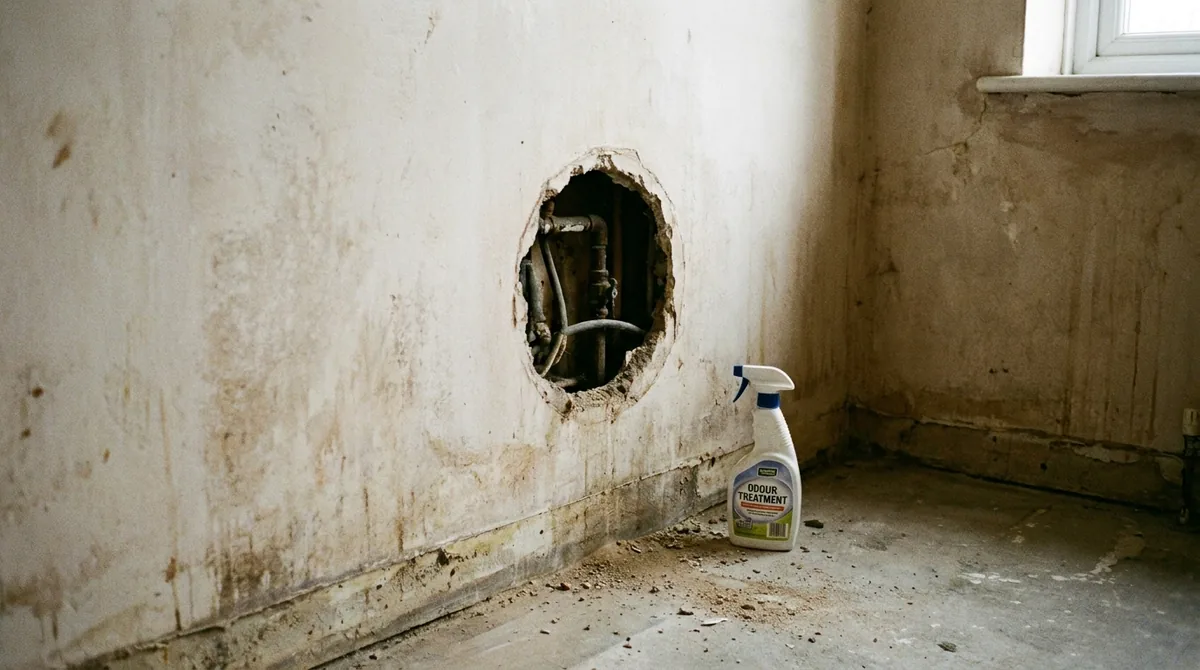
Every removal starts with locating the animal, so the work stays focused on one spot. The steps below are what a full removal includes.
Locating comes first. Our technicians follow the smell, check where flies gather, and look for staining on ceilings and walls, so the search narrows to a small area before anything is opened.
Removal is done by hand, with protective gear, and the animal goes straight into a sealed bag. Nothing is left in the open, and the room is kept clear while the work is done.
The spot around the animal is sanitised after removal, and the odour is treated at the source. Treating the smell without removing the animal does not work, so removal always comes first.
A dead rodent is found by its signs, not by sight. If several of these point to the same spot, the animal is likely there.
If the smell points to one spot, note where it is strongest and call. The more precisely you can describe the spot, the faster the animal is found.
Roof rats die where they live, and in this city that means high up: attics under tile roofs, soffits, and the wall voids below the roofline. Norway rats die low, in crawl spaces and ground-floor wall cavities. Each part of the city has its own pattern.
In Historic Downtown, pre-1978 homes with old wood and deep wall voids give rats many hiding places, and a dead animal in a void can be hard to reach without a careful search first.
In Lincolnville, pier-and-beam crawl spaces are the common spot. A Norway rat that dies under the floor is found by the smell rising through the floorboards, and the low space needs protective gear to work in.
In Davis Shores, attics in 1920s to 1950s homes hold roof rats that nest in the insulation, and a dead animal there is found by the smell at the attic hatch.
On Anastasia Island, coastal cottages with attics close to the roofline and wall voids behind beach-facing rooms see the same attic pattern, with humidity keeping the smell strong.
After a hurricane or heavy rain, rats pushed into homes by flooding can die in wall voids and attics, so the smell often appears in the weeks after a storm, when the surge of activity is at its height. See Rodent Trapping & Removal for how live rats are taken out before a removal is needed.
Removal is a short job when the animal is found quickly, and the steps below keep it focused on one spot.
The smell, the flies and any staining are followed to a small area, and a camera check or small inspection opening confirms the spot.
The animal is removed by hand with protective gear and placed straight into a sealed bag, with the room kept clear while the work is done.
The spot and the soiled material around it are sanitised, and the odour is treated at the source, once the animal is out.
We return to confirm the smell is gone, close and patch the opening, and check the entry points so no new rat can follow the same route in.
Day ranges are typical for a single animal in one spot; a larger job can take longer, and the inspection will tell you. Our own technicians do the work, and explain the plan in plain language before we begin.
A dead animal needs careful handling, and the tools below are how our technicians do it without spreading the smell or the contamination through the house.
What a removal changes in the three places a dead rodent is most often found: the attic, the crawl space, and a wall.
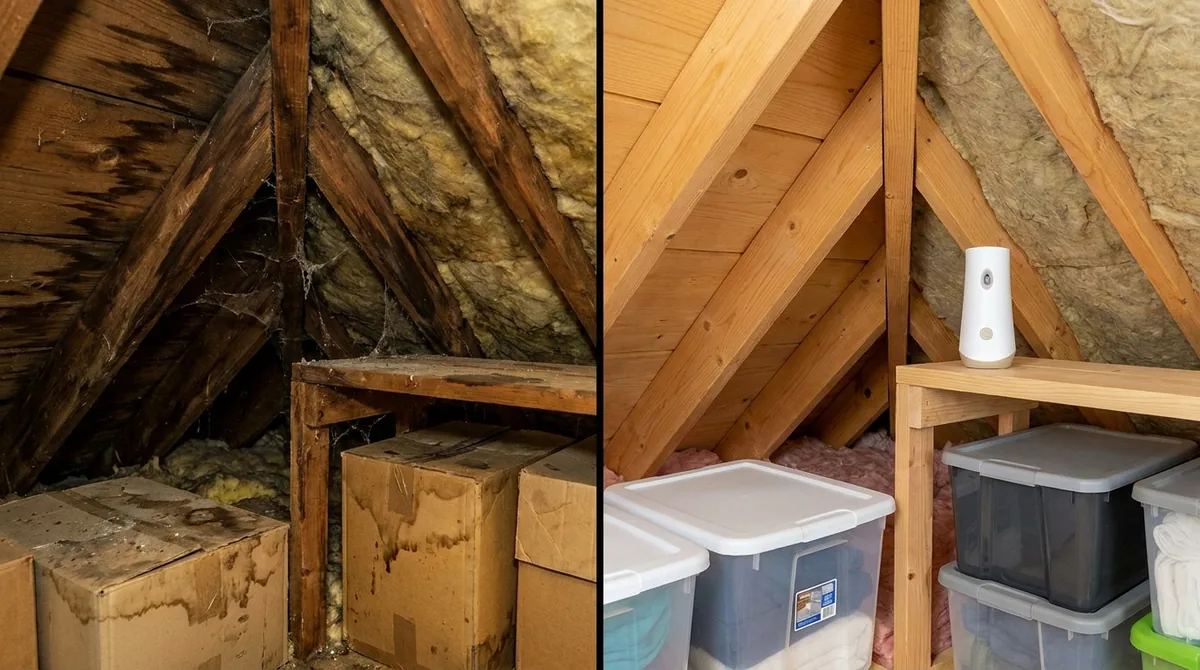 Before
After
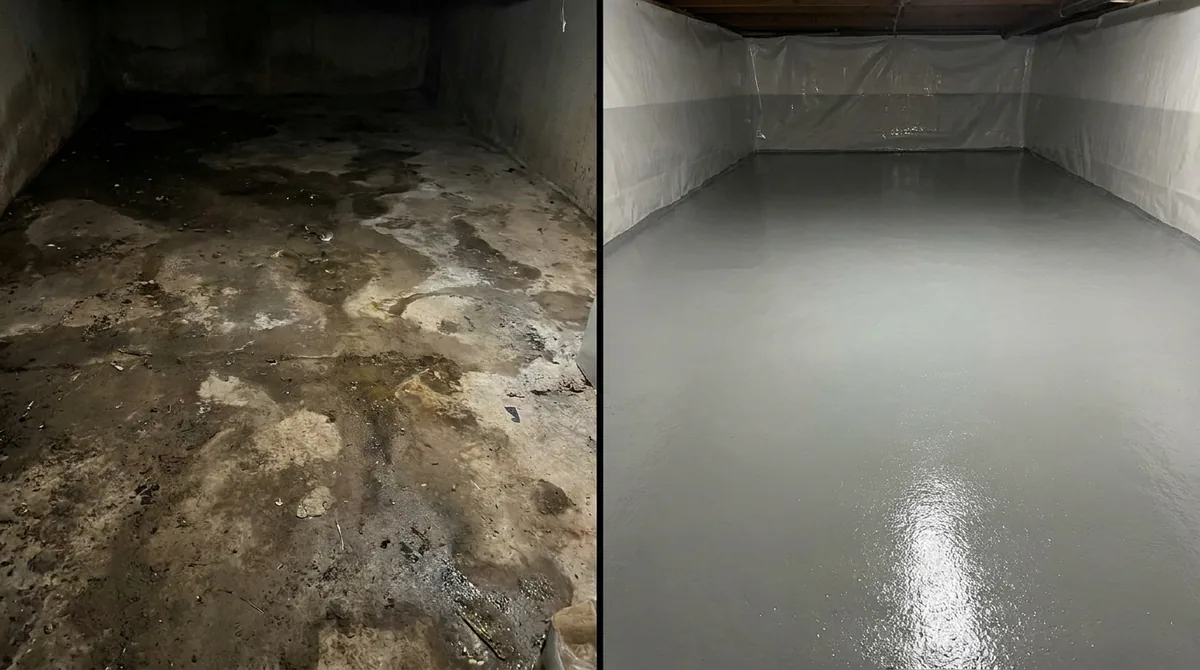 Before
After
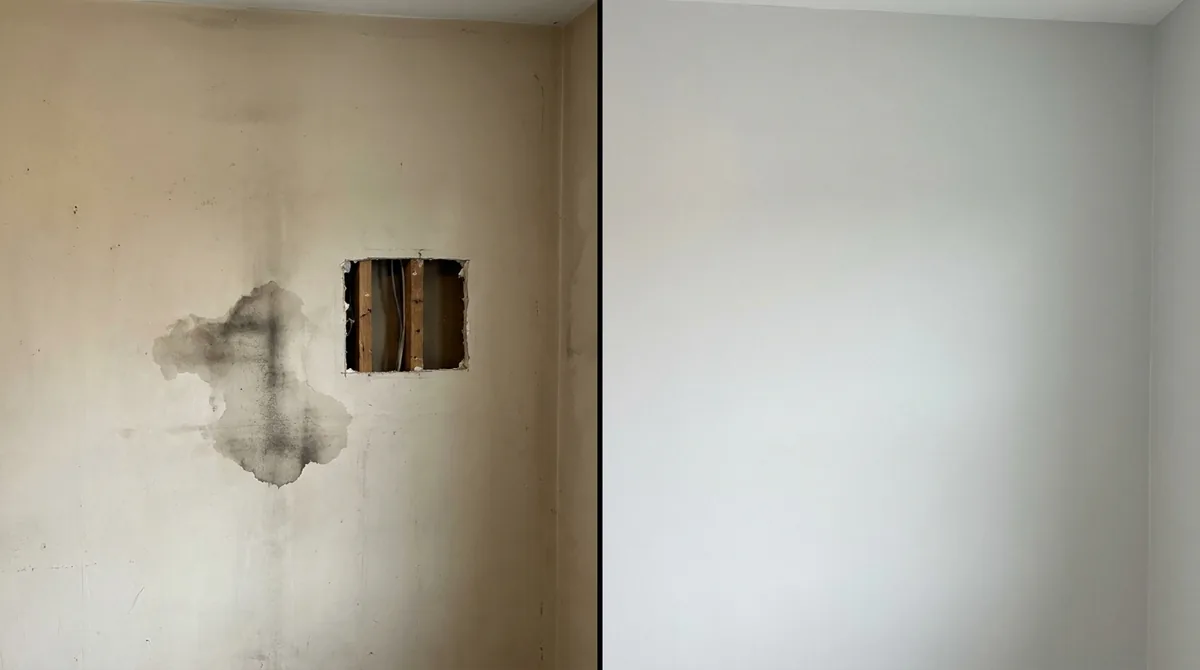 Before
After
These pairs show the kind of change a dead rodent removal makes. They are illustrative images, not photos of one single job: every home's before and after looks different. The full job is removal first, then Attic & Crawl Space Cleanup where the space needs it.
A smell in the wall is not a job for air freshener. It takes a careful search, safe handling, and treatment at the source. That is what our removal gives you.
The animal and the soiled material around it come out first, so the odour is removed, not covered over.
Smell, flies and staining narrow the search before anything is opened, so only the right section is touched.
Protective gear and sealed bags keep the animal and the contamination out of the living rooms while the work is done.
The gaps that let the rat in are sealed after the animal is out, so no new rat can follow the same route in.
You get a plain plan of where the animal was found, what was removed, and what happens next, with no jargon.
We come back to check the smell is gone and the seals are holding, so the job is finished, not just started.
The smell is unpleasant, and the instinct is to spray it away or seal the room up. These four steps help more, and they keep the job simple when we arrive.
If the smell is spreading through the house, call and tell us where it is strongest. A quick search early keeps the job to one small spot.
A dead rodent should not be left for weeks. These three mean the job should happen soon, not later.
An odour that moves from one room to the next, or grows stronger day by day, means the animal is still in place. Call us and tell us where it is strongest.
Flies gathering at one spot, or a stain spreading on a ceiling or wall, point to the animal's location. Call before the stain spreads further.
An animal found in a kitchen, bedroom or living room needs removing at once. Keep children and pets out of the room and call us.
If a rat is still alive and active in the house, see Emergency Rodent Control. If the attic or crawl space needs cleaning after the removal, see Attic & Crawl Space Cleanup.
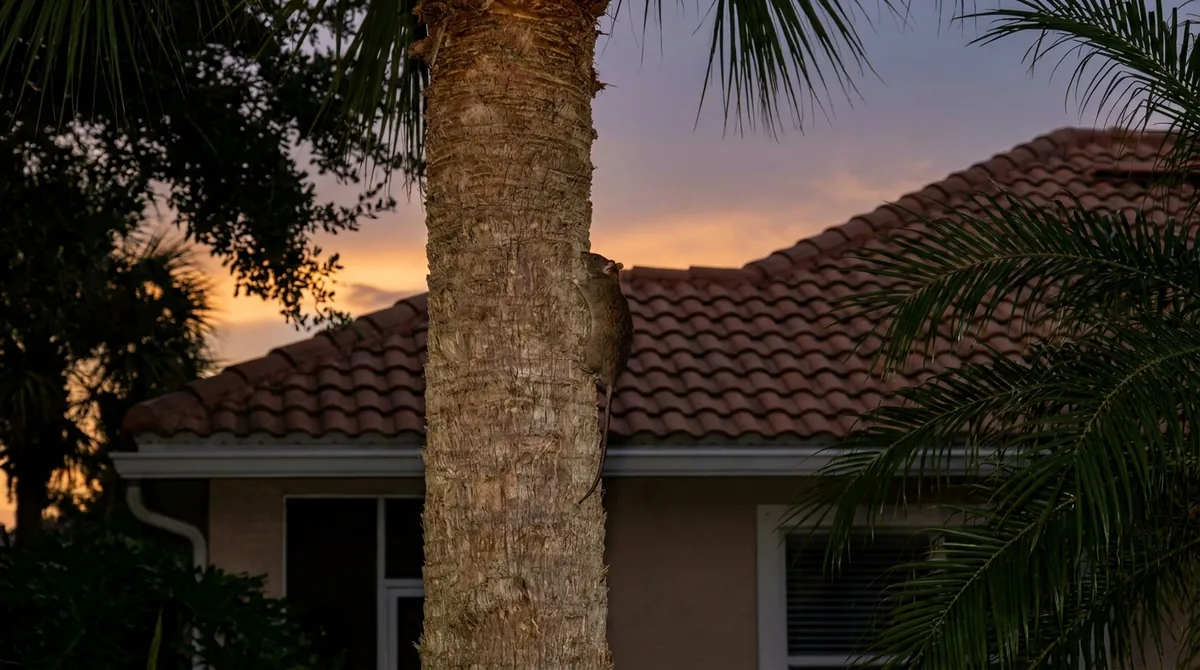
Roof rats and Norway rats trapped and sealed out. We find where they enter, tile roofs, palm fronds and gaps at the eaves, remove the animals, then seal every opening with steel mesh so they cannot come back.
View Details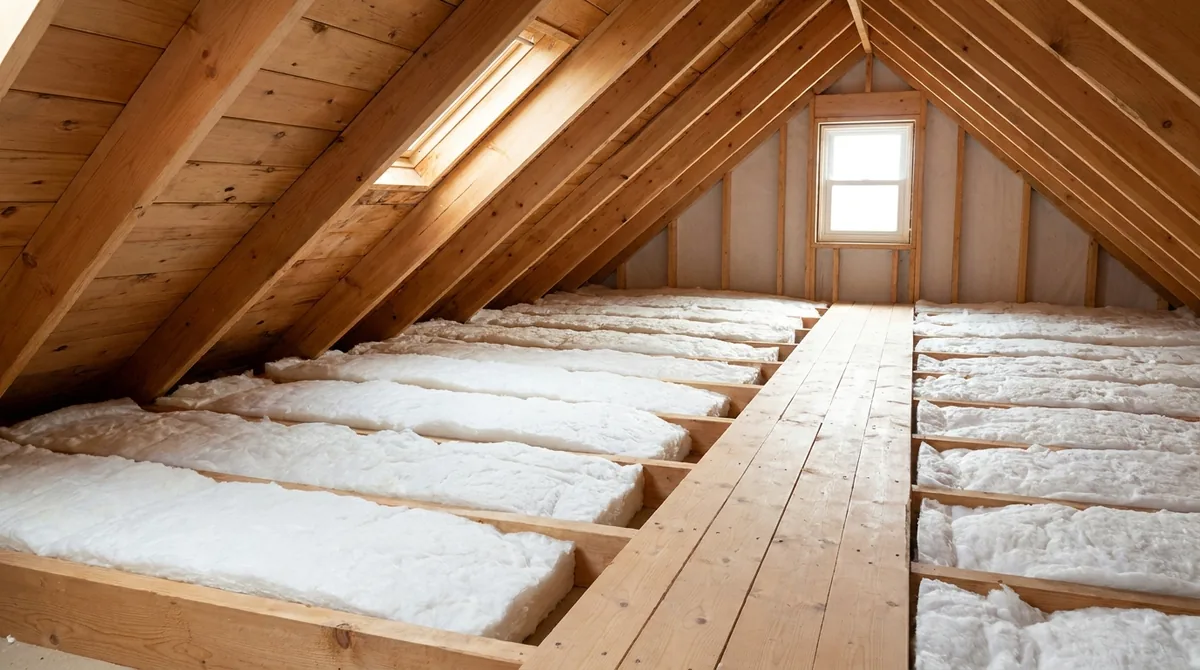
Droppings removed, space sanitised and deodorised. We clear contaminated insulation and droppings, disinfect the area, and fit fresh insulation where it is needed.
View Details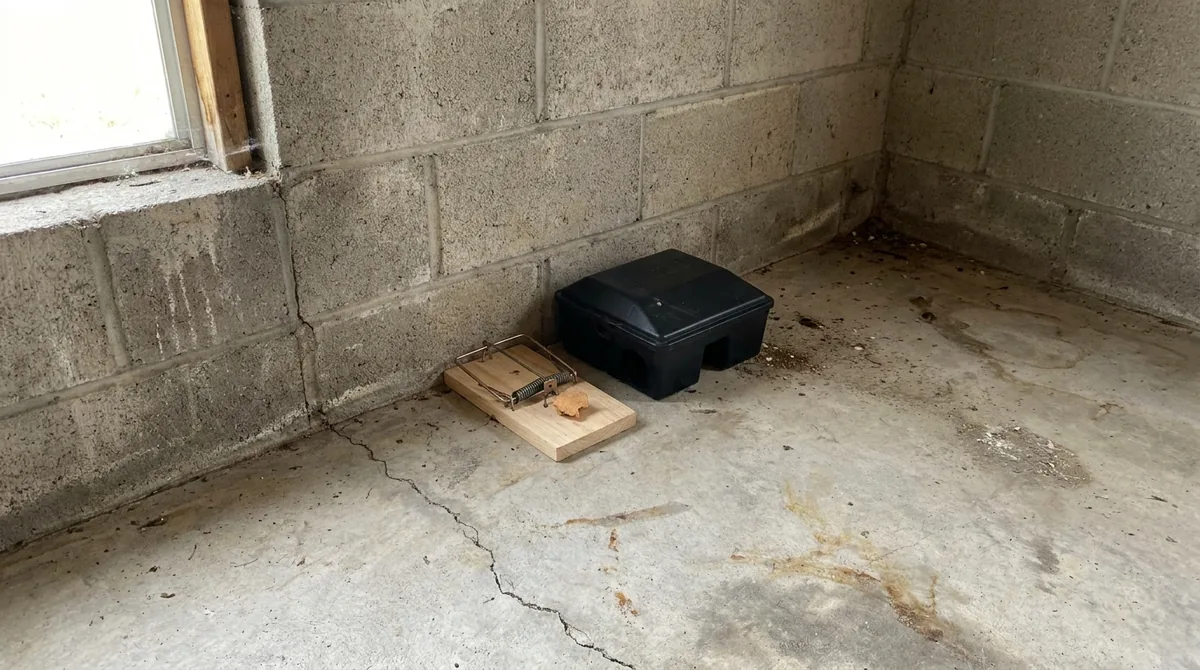
Snap and live traps, plus bait stations outside. We place traps where the animals actually travel, check them on a set schedule, and remove every animal safely and discreetly.
View DetailsPractical guides from our St. Augustine team: how to spot roof rats, tell them apart, and keep them out for good.
November 2026
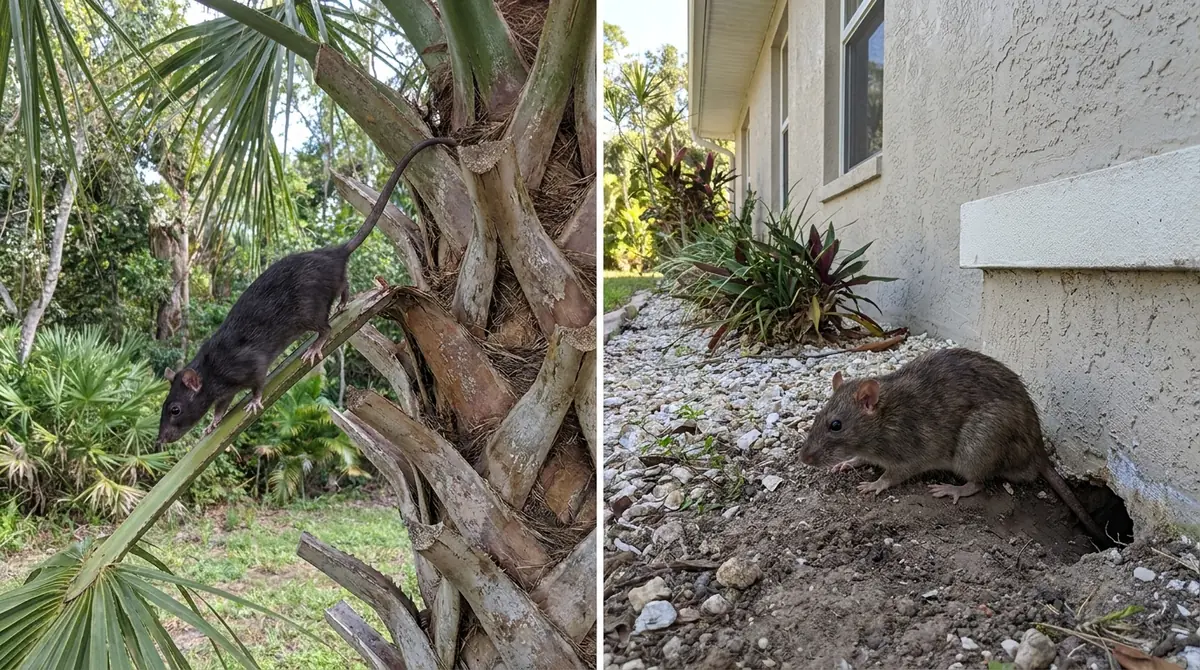
Slender climber or stocky burrower? Size, droppings, sounds and nesting spots give them away.
Read the Guide →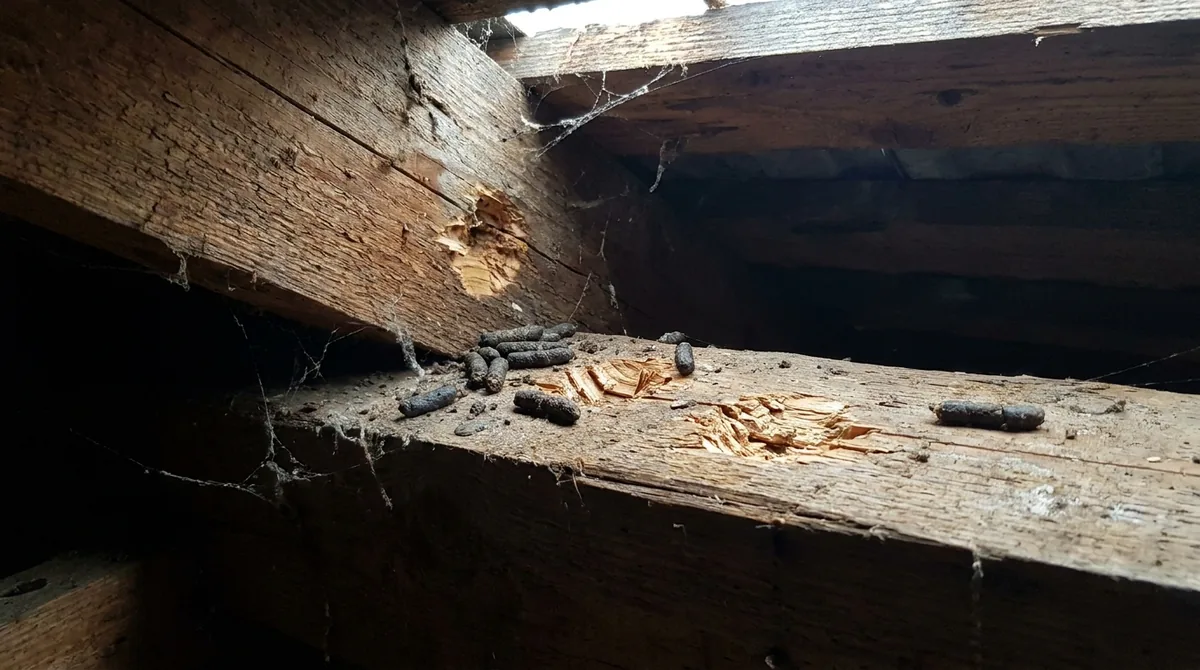
November 2026
Hollowed citrus, palm frond skirts, attic scratching and greasy rub marks: the signs that usually mean a nest.
Read the Guide →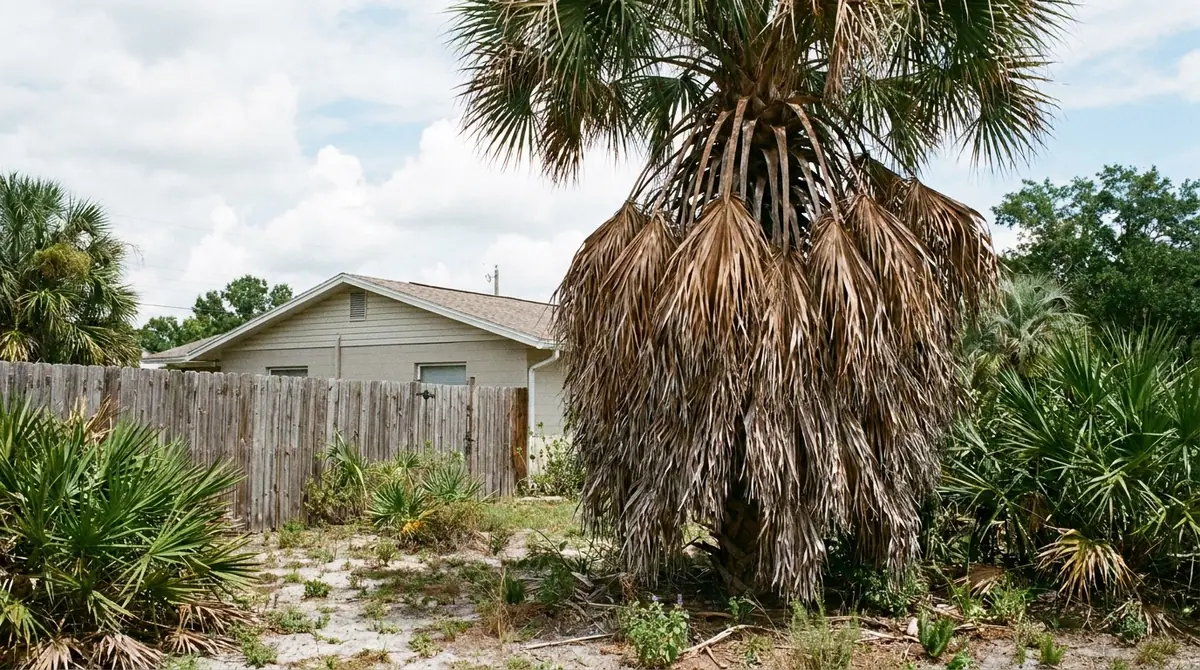
November 2026
A palm rat is a roof rat that nests in palm fronds. Why palms attract them, and how to cut the risk.
Read the Guide →We start with the smell and the signs around it: where the odour is strongest, where flies gather, and whether a stain is showing on a ceiling or wall. Those clues narrow the spot down, and a small inspection opening or a camera check confirms it, so only the right section is opened.
Sometimes a small opening is needed, and it is kept as small as possible. Many animals are found in attics and crawl spaces, where no wall needs opening at all. When a wall void is the only place, the opening is made at the spot we found, the animal is removed, and the opening is closed and patched.
The smell fades once the animal and the soiled material around it are out and the area is sanitised and treated. A faint odour can linger for a few days in warm weather, then it clears. If the smell stays strong, we come back and check the spot again.
No. Sealing the house shut before the animal is found can trap it inside the wall, where it is harder to reach. Removal comes first, then the gaps are sealed, so no new rat can follow the same route in.
A dead animal and the droppings around it should not be handled without protection, and the area needs sanitising after removal. Our technicians work with protective gear, remove the animal in sealed bags, and sanitise the spot, so the room is safe to use again.
The spot is sanitised and treated for odour, the opening is closed, and the entry points that let the rat in are checked and sealed. A follow-up check confirms the smell is gone and no new activity has started.
We provide dead rodent removal across St. Augustine, including Historic Downtown, Lincolnville, Uptown, North City, Davis Shores, Anastasia Island, West St. Augustine and Fullerwood. See all rodent control service areas in St. Augustine.
“A rat died in the wall and the smell was unbearable. They found it, removed it, and cleaned the area. The smell is gone.”
Ava M.Uptown
“We could not find where the smell was coming from. They traced it to the crawl space, removed the dead animal, and sanitised the spot.”
Liam H.West St. Augustine
“They removed the dead rat from our attic, cleaned up the droppings, and sealed the entry point. Discreet work, and the smell is gone.”
Noah P.Davis Shores
Call us and tell us where you are in St. Augustine. Our office is on Allgood Circle in St. Augustine, and our technicians serve homes across the city, from Lincolnville to Davis Shores and from Uptown to West St. Augustine.
Our office: 190 Allgood Cir #109, St. Augustine, FL 32086 · Get Directions
Tell us what you have seen or heard, and our team will come to your St. Augustine home.
(904) 533-7109