
Gaps Caught Early
Seasonal checks find new gaps in the season they appear, before the rats find them first.

Florida rodent pressure never takes a season off, and the indoor peak runs from October to February. Our own technicians check the house each season, seal gaps before the peak, and monitor bait stations all year.
Rodent pressure in Florida never takes a season off. Roof rats breed through the year, palms and citrus feed them, and the warm, humid air keeps them active in every month. The worst period runs from October to February, when cooler weather drives rats indoors, and homeowners first notice them in October, as the citrus ripens and the nights cool.
The season starts earlier than the peak. Rodent season begins in September or early October, and exclusion work should start as early as August, so the gaps are closed before the rats start looking for a warm attic. A home sealed in August faces the peak with its defences already in place; a home sealed in December is already hosting rats.
Prevention is the habit that makes the other services last. Trapping removes the rats you have, sealing closes the gaps they used, and recurring checks catch the new gaps that appear each year: a vent cover loosened by a storm, a palm branch grown back over the roof, a foundation crack widened by rain. See Rodent Inspection & Exclusion for the sealing step, and Rat Control for how live rats are removed when a check finds them.

Every prevention plan starts with a full inspection, so the checks that follow match the house, the trees and the season. Visits are scheduled monthly, bimonthly or quarterly, depending on the house and the pressure around it, and the work below is what a recurring plan includes.
Seasonal checks walk the roofline, vents, foundation gaps and crawl space again, so new gaps are found in the season they appear, not months later.
Seal checks each fall look at every seal fitted earlier, because a seal that held in summer can loosen by the fall, and the October to February peak is the worst time for a gap to open.
Bait station monitoring keeps the tamper-resistant stations outside the house checked and recorded, so activity outside is caught before the rats get in.
A prevention plan works when the small signs are caught early. If any of these appear between visits, call, and the check is brought forward.
One sign on its own is worth a check, and two together mean the check should not wait. Call and describe what you have seen, and we will tell you what the visit involves.
The work follows the routes roof rats use in this city: from the trees, along the roofline, and into the attic. Each part of the house needs its own check, in its own season.
Rooflines under barrel tile are the first check. The gaps under and between the tiles give sheltered runs right at the roofline, and the seals there are looked at every fall, before the peak.
Palms are the second check. A roof rat nesting in a palm frond skirt is a short climb from the attic, and the dead fronds need clearing while the branches are cut back from the roof.
Citrus trees are the third check. A hollowed-out orange still hanging on the tree, with a small round hole, is the signature sign of a roof rat, and fallen fruit on the ground feeds them by the wall.
Foundation vents and crawl spaces are the ground-level check. Norway rats burrow and nest low, and the vents and gaps at the foundation are looked at after heavy rain, when flooding drives rats up and in.
Garages, sheds and screen enclosures are the outer check. Rats shelter there in wet weather, and a gap in a garage door seal can become the route into the house.
After a hurricane or tropical storm, the checks matter most. Flooding displaces rats from burrows and drainage areas into homes, storm damage opens new entry points, and the surge of activity peaks within 2 to 3 weeks of a storm and can persist for 4 to 6 weeks. See Commercial Rodent Control for the same seasonal rhythm in shops and offices.
A prevention plan runs in order, from the first inspection to the seasonal return visit, so the house is covered through the peak and beyond.
The roofline, vents, foundation, crawl space and yard are walked, the seals and stations needed are agreed, and the plan is set out in plain language.
Gaps are sealed with steel mesh and sheet metal, door sweeps and vent covers are fitted, and tamper-resistant bait stations are placed outside and recorded.
We return to check the seals and the stations, confirm no new activity has started, and agree the rhythm of seasonal checks that follows.
The house is walked again each season, with extra attention in the fall, so new gaps are caught early and the plan is updated for the season ahead.
Day ranges are typical for a first plan; the seasonal rhythm after that is agreed with you, and the inspection will tell you what the house needs. Our own technicians do the work, and explain the plan in plain language before we begin.
Prevention is not a spray or a single visit. It is sealing, monitoring and yard work, repeated each season, and the tools below are how our technicians do it.
What recurring prevention changes in the three places rats enter most often: the foundation, the roofline, and the yard.
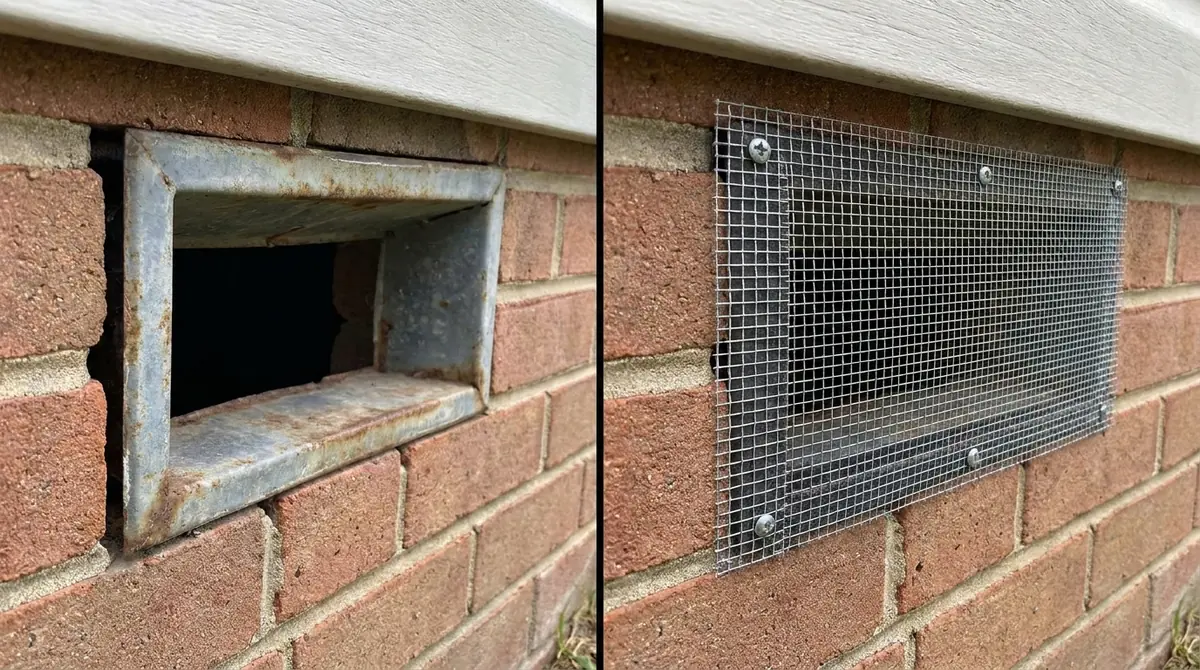 Before
After
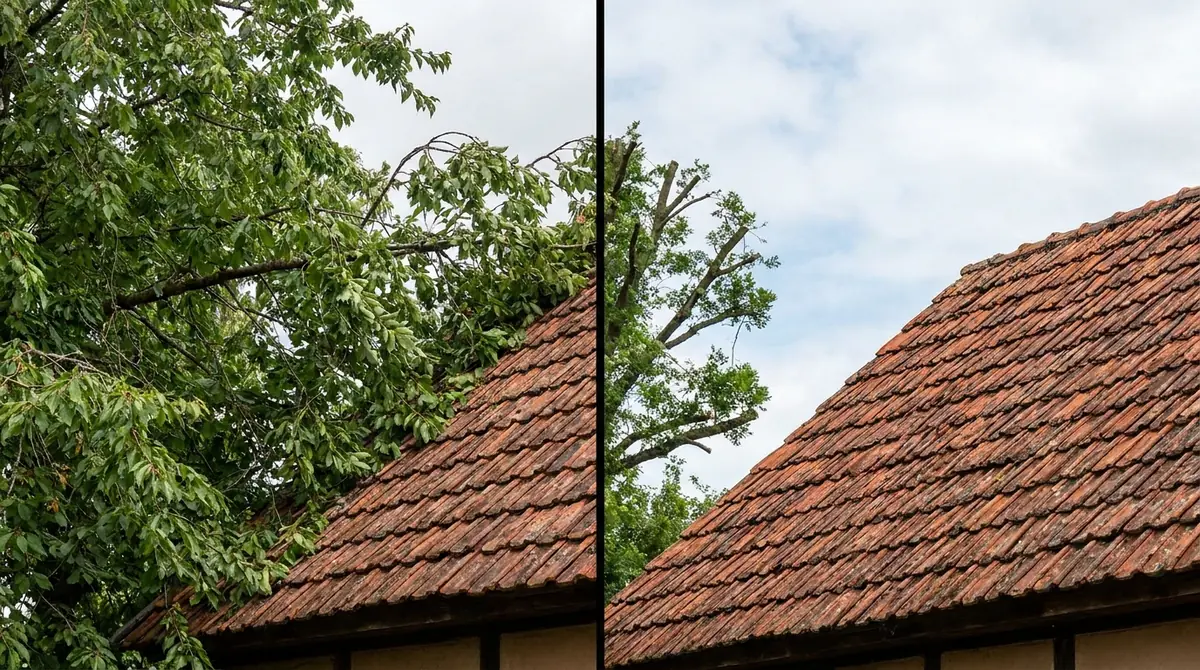 Before
After
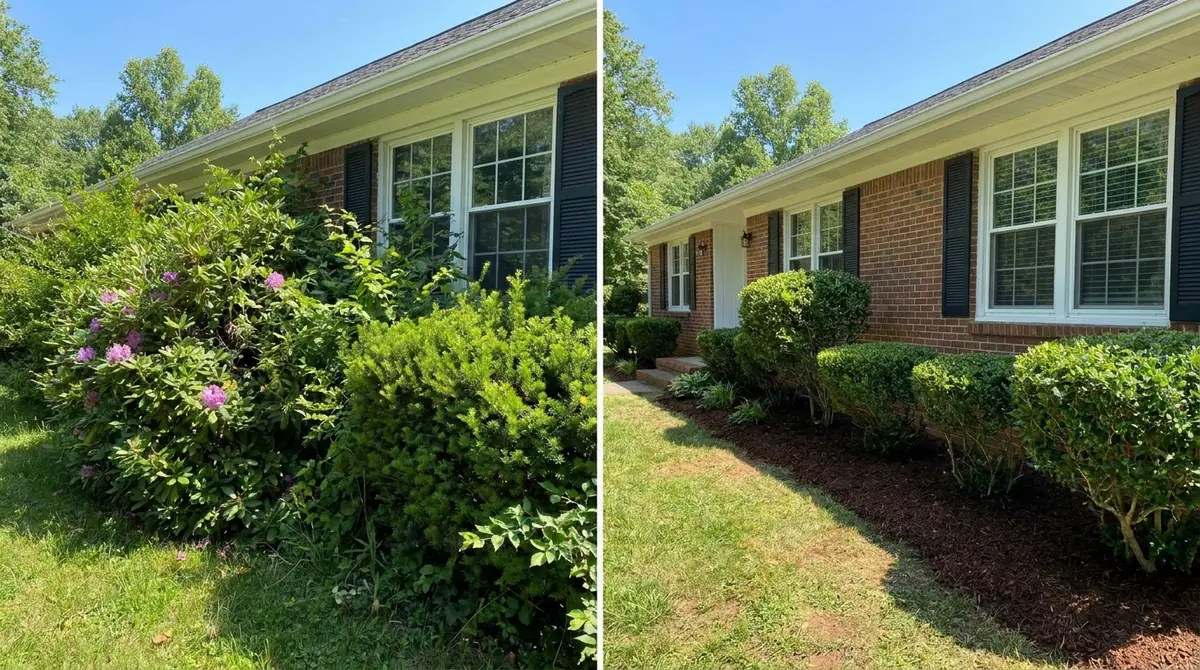 Before
After
These pairs show the kind of change recurring prevention makes. They are illustrative images, not photos of one single job: every home's before and after looks different. The full job is Rodent Inspection & Exclusion first, then seasonal checks.
A sealed house stays sealed only if someone checks it. That is what a recurring plan gives you: the same team, the same record, and a check in every season.
Seasonal checks find new gaps in the season they appear, before the rats find them first.
Seal checks each fall close the gaps before the October to February indoor peak, when the pressure is highest.
Stations outside are checked and recorded on every visit, so activity outside is caught before the rats get in.
Branches are cut back, frond skirts are cleared, and fallen fruit is picked up, so the yard stops sheltering roof rats.
Checks in the weeks after a hurricane or heavy rain find the new gaps the storm opened, while the surge is still running.
The plan follows the Florida year: exclusion in August, seal checks in the fall, and monitoring through the winter peak.
Checks by our team fix the gaps, and these four habits keep new rats from finding the house between visits.
If scratching returns in the fall, or a bait station shows fresh activity, call and tell us. A quick check early keeps a small gap from becoming a nest.
Most prevention visits can wait for the next seasonal check. These three mean the check should be brought forward.
Night scratching in the attic or walls in September or October means rats have found a route in as the peak begins. Call us and we will check the roofline.
Wind damage, slipped tiles or a loosened vent cover after a hurricane or heavy rain can open a route in days. Call us, and we will check the seals.
Bait taken or disturbed in a station outside means rats are active around the house. Call us, and we will check the stations and the gaps.
If a rat is already inside the house, see Rat Control. If the attic or crawl space needs cleaning after a long infestation, see Attic & Crawl Space Cleanup.
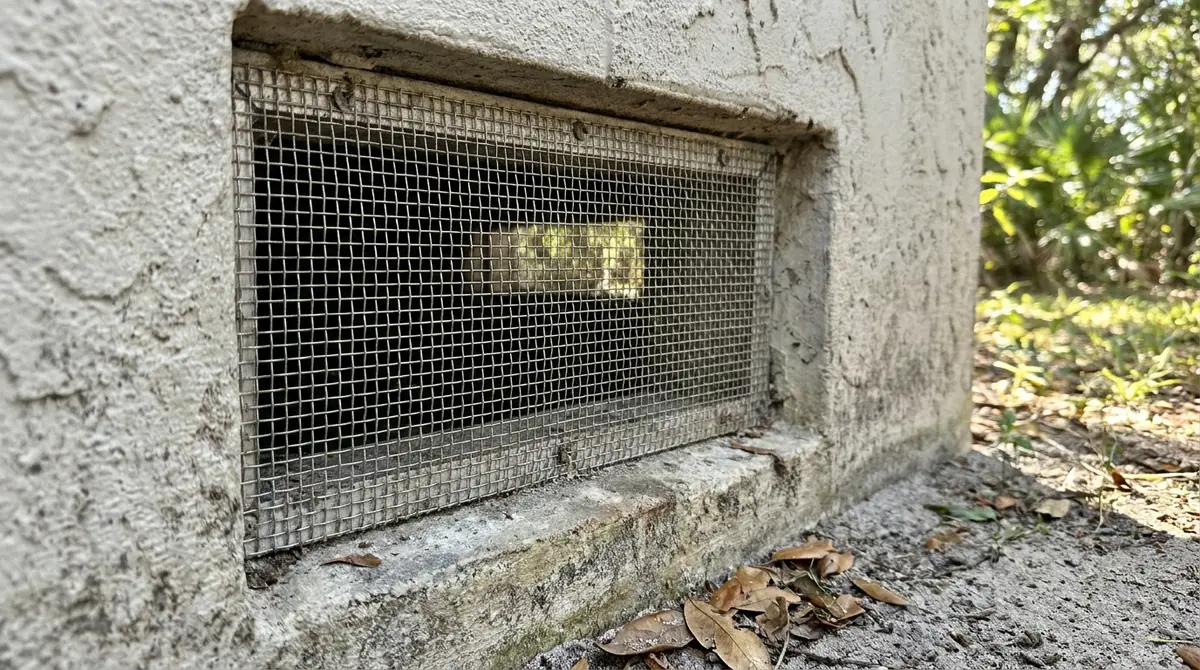
Every gap found, then sealed with steel mesh. Our technician walks the whole house, roofline, vents, foundation and pipes, photographs each opening, and seals it so rats and mice stay outside for good.
View Details
Offices, restaurants and shops, around your schedule. We work outside your opening hours, keep the visit discreet, and give you a written report your health inspector will accept.
View Details
Rental homes and managed communities, coordinated visits. One call covers the whole property. We schedule with tenants, report to you, and keep every unit on the same prevention plan.
View DetailsPractical guides from our St. Augustine team: how to spot roof rats, tell them apart, and keep them out for good.
November 2026
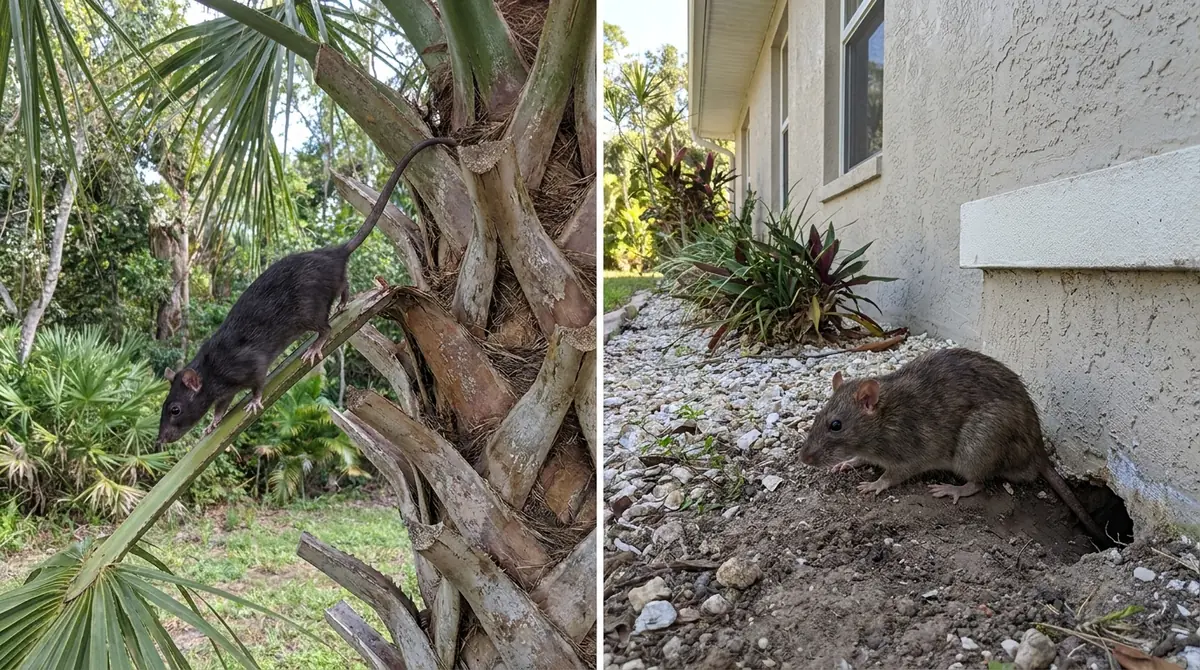
Slender climber or stocky burrower? Size, droppings, sounds and nesting spots give them away.
Read the Guide →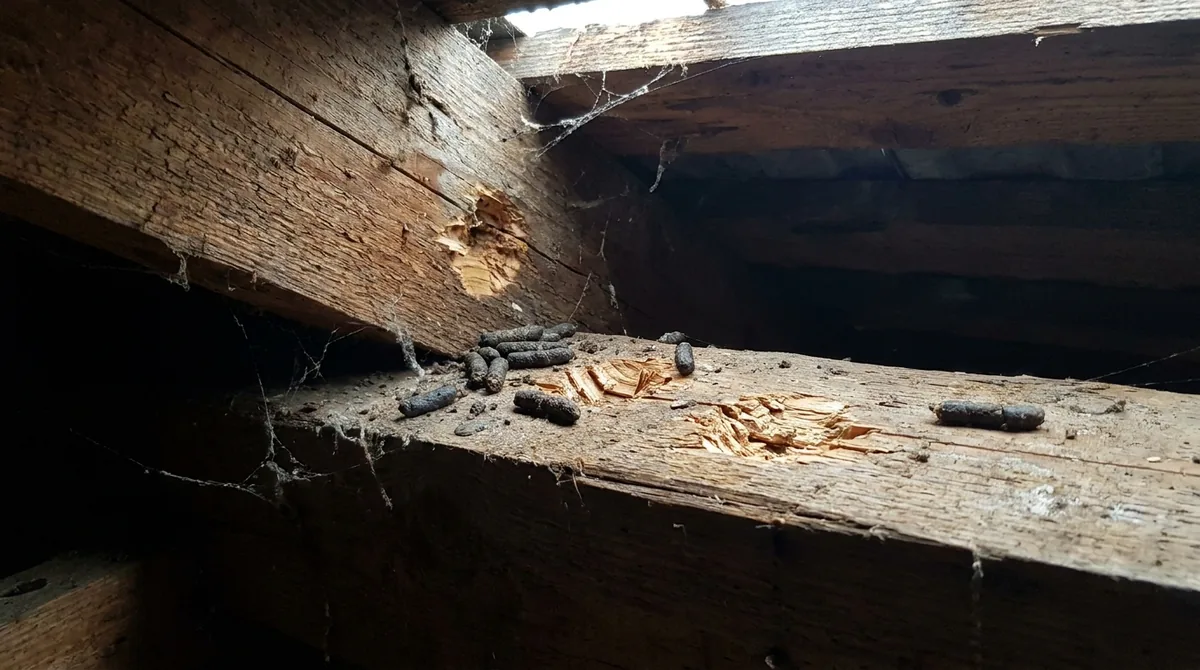
November 2026
Hollowed citrus, palm frond skirts, attic scratching and greasy rub marks: the signs that usually mean a nest.
Read the Guide →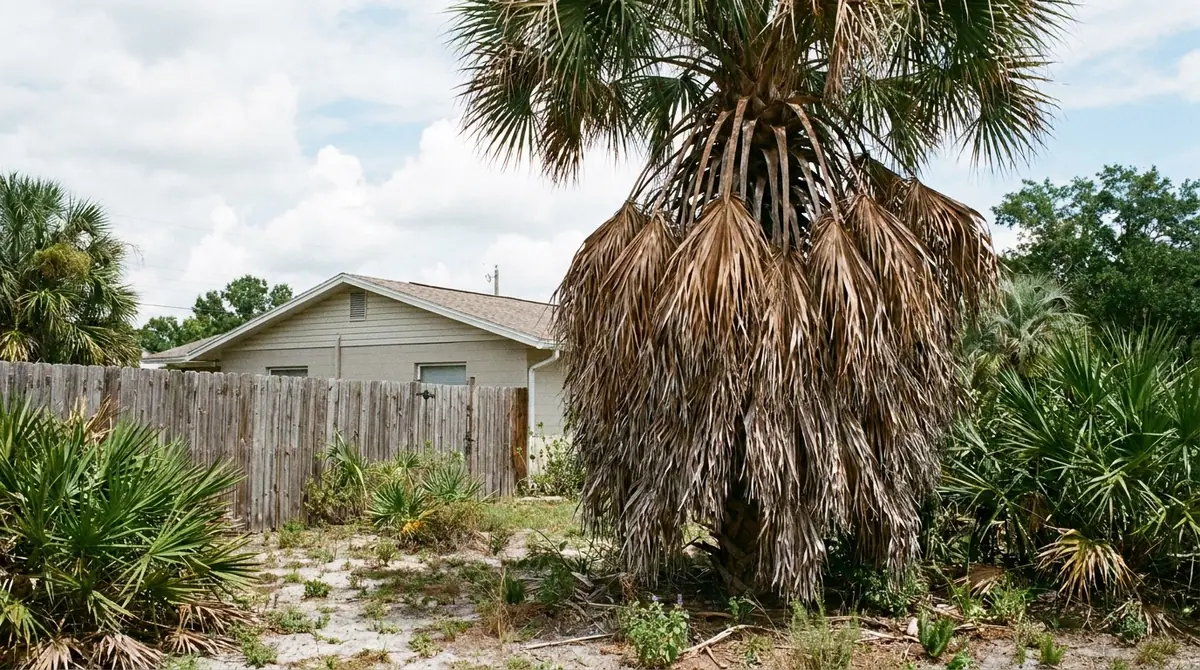
November 2026
A palm rat is a roof rat that nests in palm fronds. Why palms attract them, and how to cut the risk.
Read the Guide →Start exclusion as early as August, before the rodent season begins in September or early October. Sealing in August means the gaps are closed before the October to February indoor peak, when cooler weather drives rats inside.
The rhythm is agreed with you after the first inspection. Most homes are checked each season, with extra attention in the fall, when the indoor peak begins, and after a storm, when new gaps can appear. The plan is set out before the first visit.
The roofline, vents, foundation gaps and crawl space are walked again, the seals fitted earlier are looked at, the bait stations are checked, and the palms and citrus near the house are noted. Anything new is sealed or cleared before it becomes a route in.
Yes, where they are part of the plan. Tamper-resistant bait stations stay outside, secured and monitored, so rats outside the house are caught before they get in. They are checked on every visit, and the activity in them is noted.
Prevention cuts the risk a long way. Palms are trimmed back from the roof, dead frond skirts are cleared, fallen citrus is picked up, and the roofline gaps the rats use are sealed. A palm rat still needs a gap to get in, and sealing takes the gap away.
Check the roofline, vents and foundation for new gaps, and look in the attic for droppings or nesting. Flooding pushes rats up into homes, and the surge of activity can last for weeks after a storm. Call us, and we will come and check the seals and the stations.
We provide recurring prevention & maintenance across St. Augustine, including Historic Downtown, Lincolnville, Uptown, North City, Davis Shores, Anastasia Island, West St. Augustine and Fullerwood. See all rodent control service areas in St. Augustine.
“We signed up for the quarterly plan after a rat problem last winter. They check the house every three months, seal any new gaps, and we have had no issues since.”
Hannah T.Lincolnville
“The maintenance visits catch small gaps before they become a problem. It is worth it for the peace of mind, especially with the palms so close.”
Greg F.North City
“They come on schedule, inspect the roofline and crawl space, and keep the house sealed. We have not had a single rodent in two years.”
Nina K.Anastasia Island
Call us and tell us where you are in St. Augustine. Our office is on Allgood Circle in St. Augustine, and our technicians serve homes across the city, from Lincolnville to Davis Shores and from Uptown to West St. Augustine.
Our office: 190 Allgood Cir #109, St. Augustine, FL 32086 · Get Directions
Tell us what you have seen or heard, and our team will come to your St. Augustine home.
(904) 533-7109